

August 31, 2026
How Wild Glamping Gal Oya Was Built by the People Who Now Run It

Wild Glamping Gal Oya was built largely by hand, from materials sourced around Rathugala, by the same community that runs it today. The people leading a jungle walk or working the farm aren’t hired from outside. They’re the ones who raised the tents themselves, on land they already knew before the property existed.
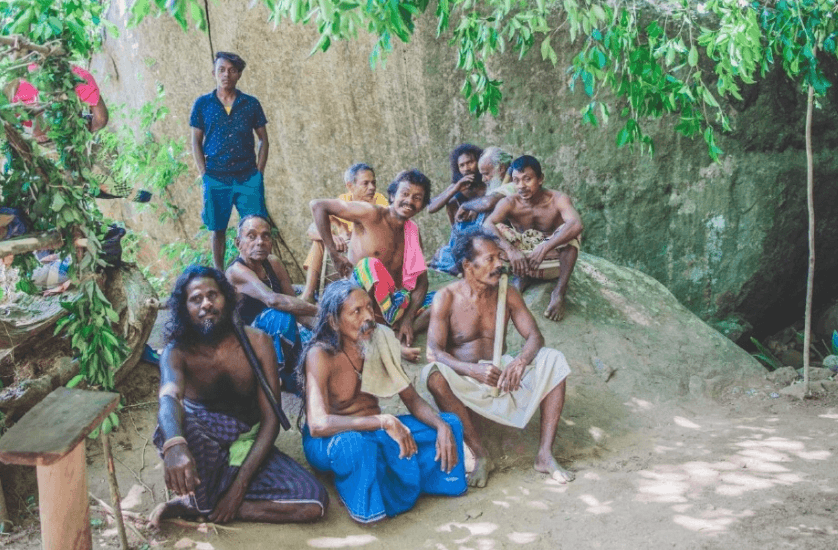
Who the Rathugala Community Are
The Vedda, or Wanniyalaeto, “people of the forest,” in their own language, are widely regarded as Sri Lanka’s earliest inhabitants, forest-based hunter-gatherers whose presence on the island predates the arrival of most other communities by a considerable margin. Traditional Vedda life centred on the forest itself: hunting with bow and arrow, gathering wild honey, fruit, and yams, and living in caves and rock shelters before shifting, as caves became scarcer, to simple built houses. The island’s Mahavamsa chronicle tells its own legendary account of their origins, tracing them to the children of a queen banished to the forest in the 5th century BCE, though anthropologists place their roots considerably further back than that story alone suggests.
Only a small number of Vedda settlements remain across Sri Lanka today, eleven in total according to researchers who track them, scattered across areas including Uva, Anuradhapura, and the eastern coast. Rathugala is one of them. That scarcity is worth sitting with for a moment: this isn’t one indigenous community among many choosing to host guests, it’s one of a genuinely small number left, which is part of why the property’s approach, land use, employment, and decision-making staying local rather than moving elsewhere, matters more than a standard community-partnership programme would.
Built in the Middle of a Pandemic
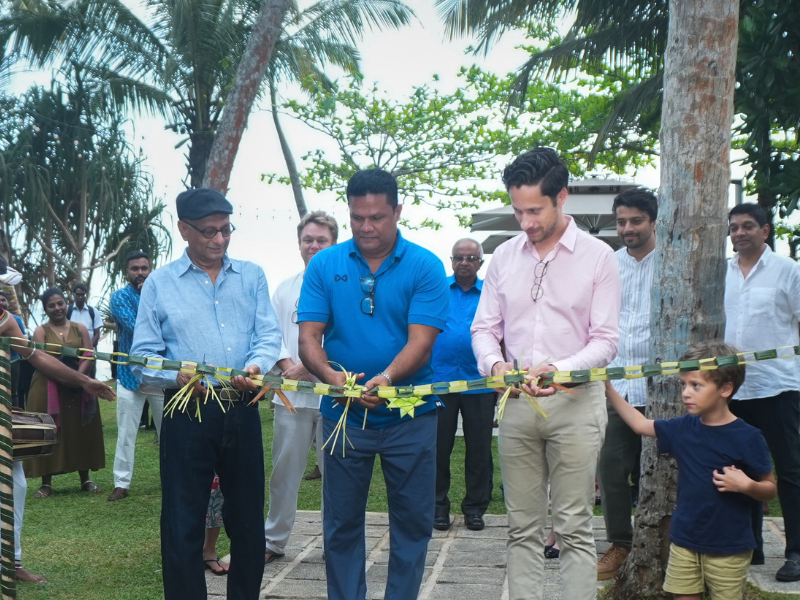
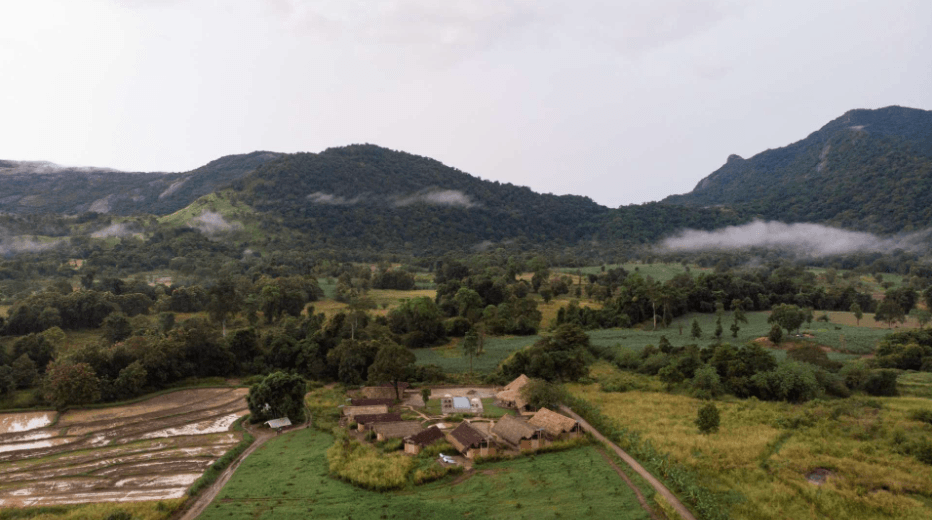
Construction began in 2019, on a stretch of savannah and forest at Rathugala, a remote village near Gal Oya National Park that’s home to the Vedda, Sri Lanka’s indigenous Adivasi community. The property opened two years later, in December 2021, in the middle of a pandemic that had brought most tourism development elsewhere to a standstill, formally opened by the then French Ambassador to Sri Lanka in a modest ceremony rather than a grand one. It sits on a 30-acre working farm in the Gal Oya Valley, and what stands there today, ten tented lodges, a restaurant, and an infinity pool, was built almost entirely from what the surrounding area could provide, materials and labour that, during a period when very little was moving freely, were also simply what was available.
Wild Glamping Gal Oya: What Went Into the Build
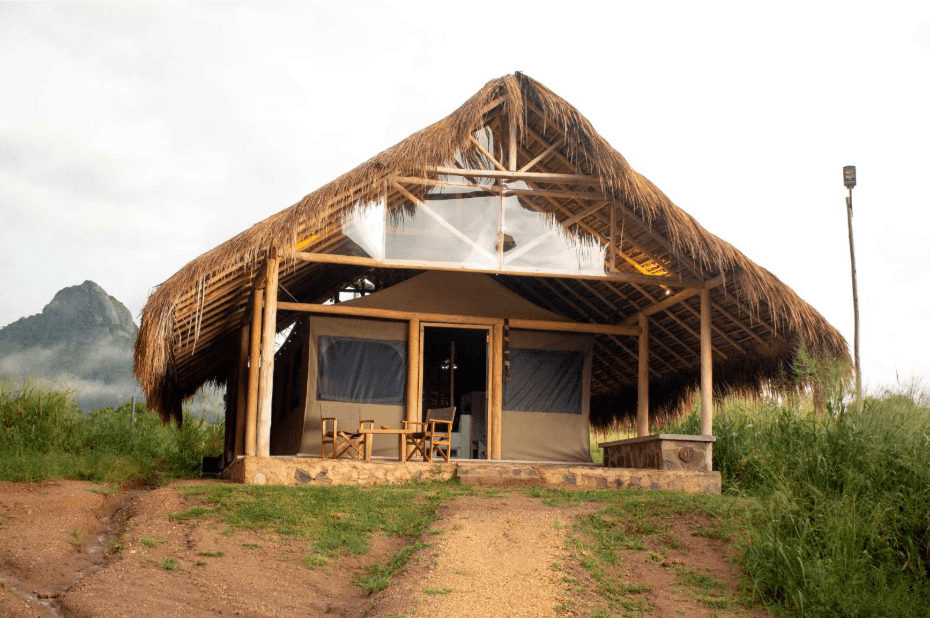
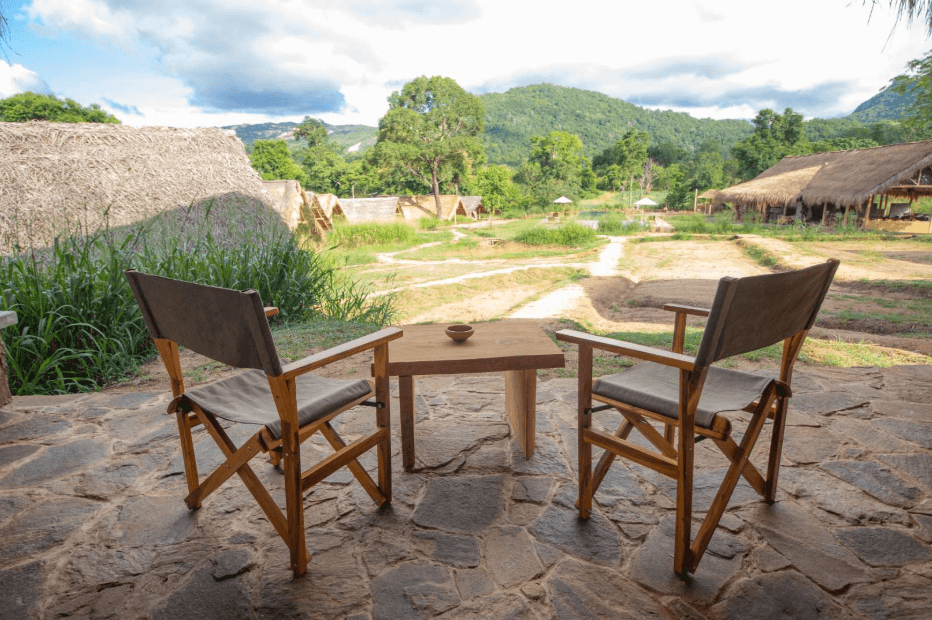
The construction leaned on traditional, local materials: earth bricks, clay, illuk grass, and cajan, woven coconut palm leaf, sourced from the immediate area rather than trucked in. It’s the same building vocabulary used in traditional homes across this part of the country, scaled up into something guests could stay in rather than reinvented from scratch. Each chalet and public area runs on its own individual solar panel, generating power on site rather than drawing from a centralised grid, and greywater from the property is recycled and reused for flushing rather than discharged as waste. None of that comes at the expense of comfort: each tented lodge has its own private bathroom, a proper bed rather than a camp cot, and a spacious living area, the genuine luxury glamping promises, built from the same local materials as the rest of the property. Those choices later earned the property a Platinum rating from the Green Building Council of Sri Lanka, the Council’s highest grading.
A Workforce That Never Left
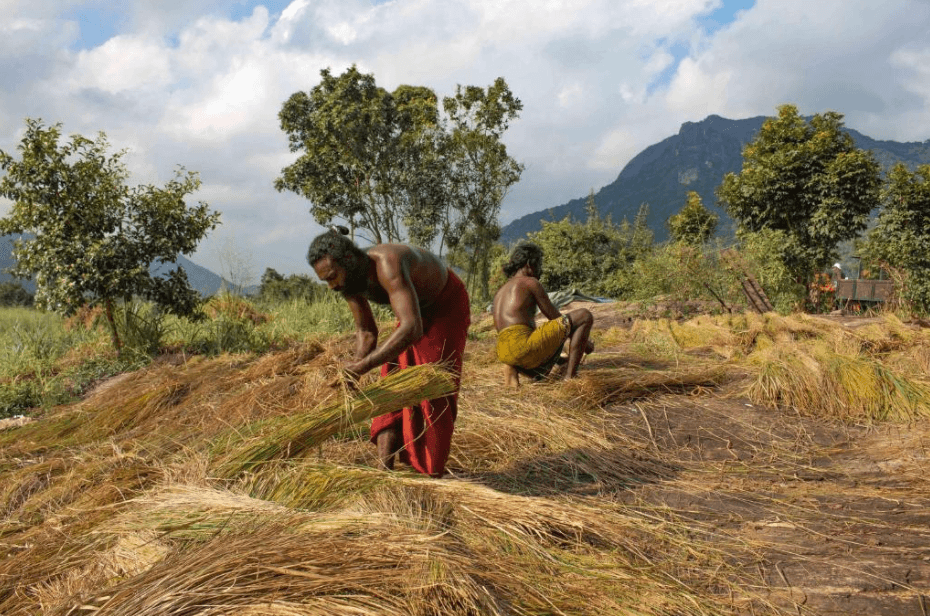
Around 95% of the property’s staff come from the Adivasi community in Rathugala, many of them the same people, or from the same families, who helped construct the property in the first place. It shows up in what guests actually do there: a jungle walk led by a member of the Vedda community, a cultural show performed rather than staged for effect, a boat safari on the Gal Oya reservoir led by guides who know the water. None of it is knowledge hired in from elsewhere. It’s theirs, and it was theirs before the property existed.
The same pattern runs through the property’s 30-acre farm, which grows heirloom rice varieties alongside vegetables, maize, and a range of fruit, worked by the same community rather than managed as a separate operation bolted onto the resort. What guests eat during a stay is grown by the same hands that grow it for themselves.
Staying Inside That Story
The Gal Oya accommodation carries the same thread through to the guest experience. The tented lodges were built from the same locally sourced materials as the rest of the property, with solar lighting and private bathrooms fitted into a structure that was, quite literally, raised by the community a guest is staying among.
Stay With the Community That Built It
The building, the staffing, and the farm at Wild Glamping Gal Oya all stem from the same relationship with the Rathugala community, simply expressed in three different ways. If that’s the kind of stay you’re looking for, take a look at our accommodation, check our current offers, or contact us to start planning your stay.
Blog
Related Articles