

September 29, 2026
Tracking the Minneriya Elephant Gathering: How Aliya’s Naturalists Follow the Herds

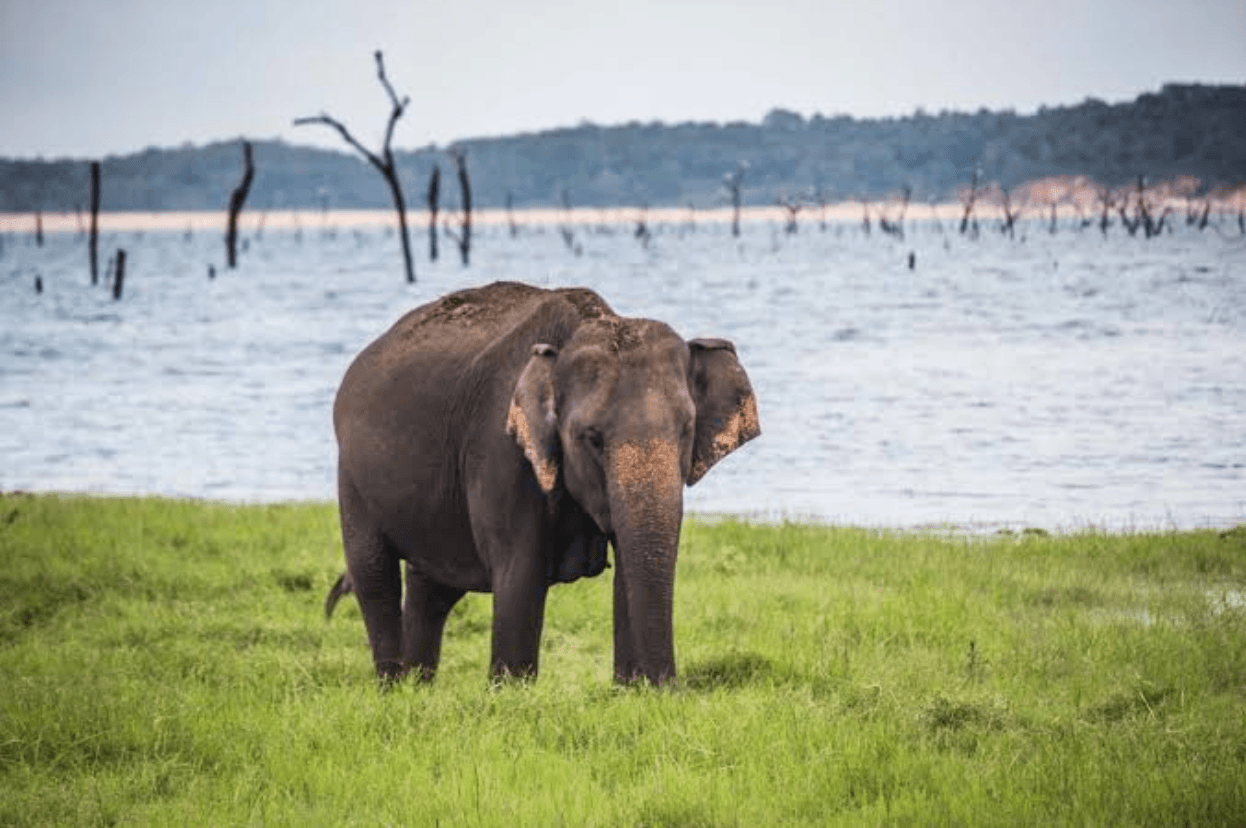
Every dry season, wild elephants leave the forests around Habarana and Sigiriya and move toward a handful of ancient reservoirs. As the Minneriya Tank shrinks in the heat, it exposes wide bands of fresh grass along its bed, and elephants gather there in numbers that can reach 300, the largest congregation of Asian elephants recorded anywhere. The same migration corridor also runs through Kaudulla National Park and Hurulu Eco Park, so where the elephants actually are in a given week depends on rainfall and water levels across all three, not on Minneriya alone. A Minneriya elephant gathering safari booked through Aliya starts with the resident naturalists checking those conditions and talking guests through what each park looks like before anyone sets out.
Understanding Sri Lanka’s Seasonal Elephant Gatherings
Minneriya’s dry season runs roughly from July to October, with elephant numbers building to their highest point in August and September. The Minneriya Tank was built as a reservoir in the third century, and its exposed banks are what draw elephants here each dry season. They come for the grazing as much as the water itself, some travelling from as far as 50 kilometres away. On a strong day at the height of the season, the tank bed can hold 200 to 300 elephants at once: family groups, young males, calves, all grazing in the open where for most of the year there would be water.
That same corridor connects Minneriya to Kaudulla National Park and Hurulu Eco Park, both close enough to Aliya to reach within the same afternoon. When Minneriya’s water level rises, whether from an early rain or a wetter year, elephants shift toward Kaudulla instead, where the same grazing pattern plays out around a different reservoir. Hurulu Eco Park follows a different rhythm again: it holds a smaller resident elephant population year-round, and becomes the more dependable option outside the July-to-October peak, when the bigger parks can be quieter.
Planning a Minneriya Elephant Gathering Safari With Aliya
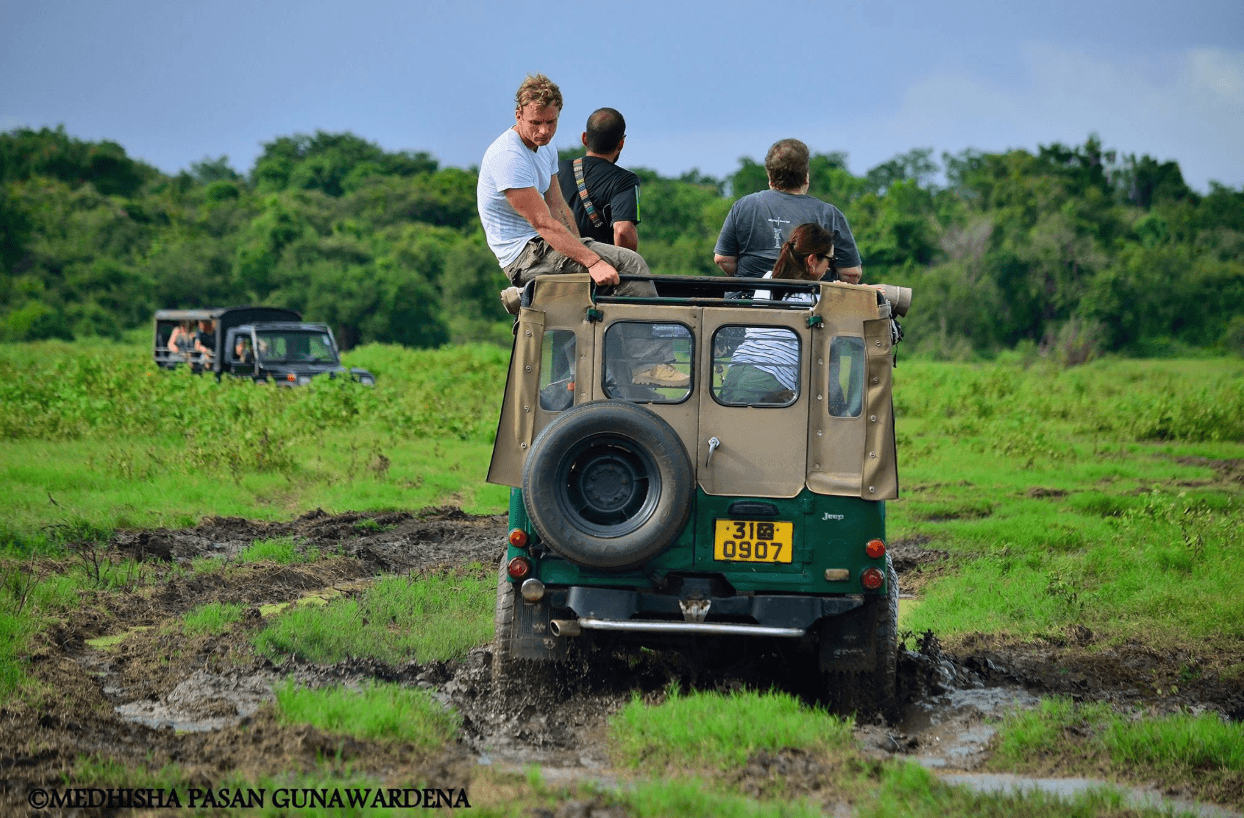
Guests arranging a safari through Aliya are met by one of the resort’s resident naturalists, who work from recent reports across all three parks rather than a fixed itinerary. In practice, that means a short conversation before the jeep leaves: which park had elephants yesterday, whether Minneriya’s water is up or down this week, what the birdlife has been like at Kaudulla. Guests are talked through the options and choose together with the naturalist, who then goes out with them rather than simply arranging the transport.
That flexibility means a guest who set out expecting Minneriya might come back having spent the afternoon at Kaudulla instead, usually because that is where the elephants actually were that day.
What Each Park Offers
- Minneriya holds the largest numbers when conditions are right, with sightings running into the hundreds during August and September at the height of the season.
- A Kaudulla National Park safari tends to pick up the numbers Minneriya loses when the tank floods or fills early. The grassland and reservoir setting are similar, and the birdwatching around Kaudulla is just as strong.
- A Hurulu Eco Park safari works on a different rhythm. It holds a smaller resident elephant population through the year, so it’s a dependable choice outside the July-to-October peak, when Minneriya and Kaudulla can be quieter.
None of the three can be guaranteed on a given afternoon, since elephant movement follows water and grazing rather than a booking calendar. It’s part of why a Sigiriya safari with Aliya is planned around current reports rather than a single named park.
Beyond the Safari Itself
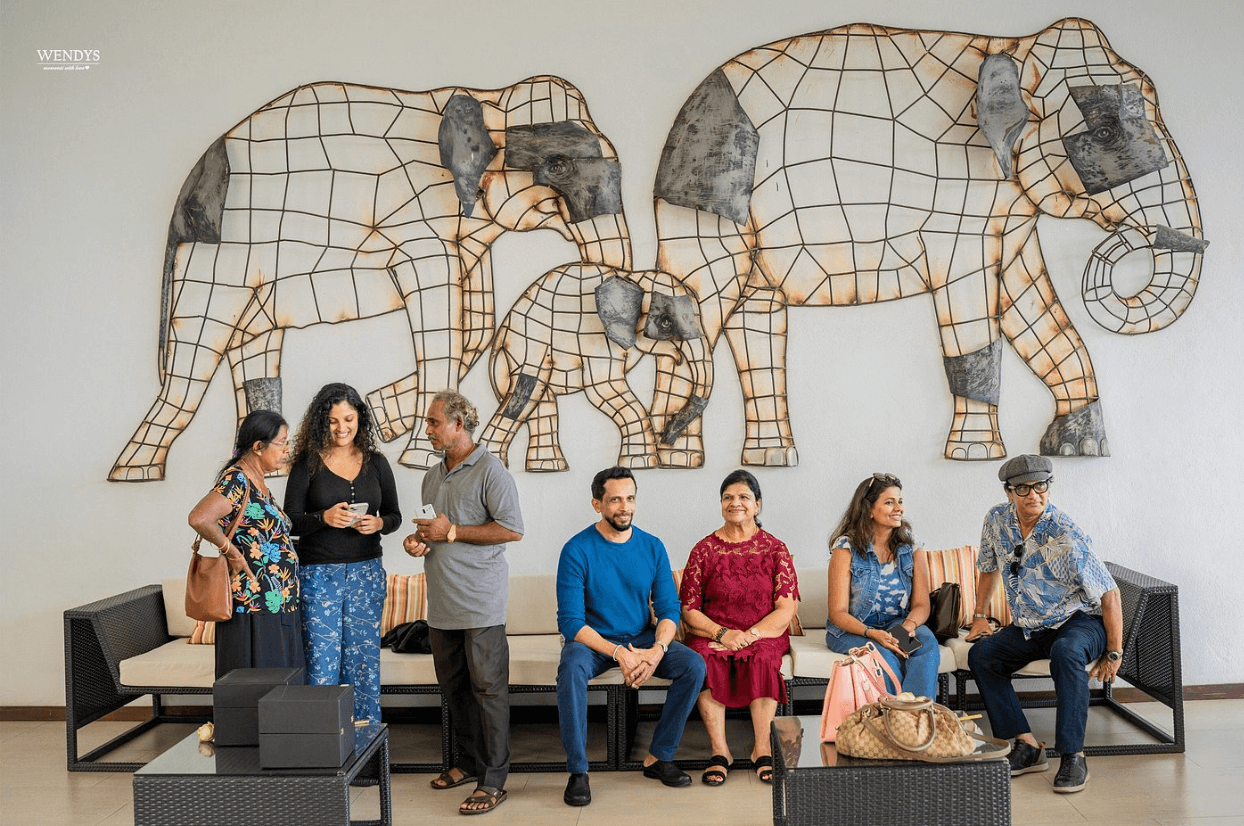
Aliya’s naturalists work with wildlife near Sigiriya well beyond the safari jeep, leading early-morning birdwatching walks and the resort’s reforestation and biodiversity activities throughout the week. The resort’s own name, Aliya, means elephant, and the animal’s motifs run through the interior décor as well.
Choosing When to Go
Aliya runs morning, evening, and night safaris, so timing is one more choice guests make alongside which park to visit. Evening trips tend to work well for elephant sightings, since the animals move toward water and open grazing as the day cools. August and September are the strongest months for the gathering itself, with July and October worth considering at either edge of the season. Outside that window, jeep safaris to all three parks still run year-round, usually with smaller but reliable sightings, particularly at Hurulu.
Away from the safari itself, Aliya sits close enough to the Cultural Triangle’s other sigiriya attractions that a morning at Sigiriya Rock or an afternoon in the paddy fields fits naturally either side of a trip to the parks.
Where to Stay for It
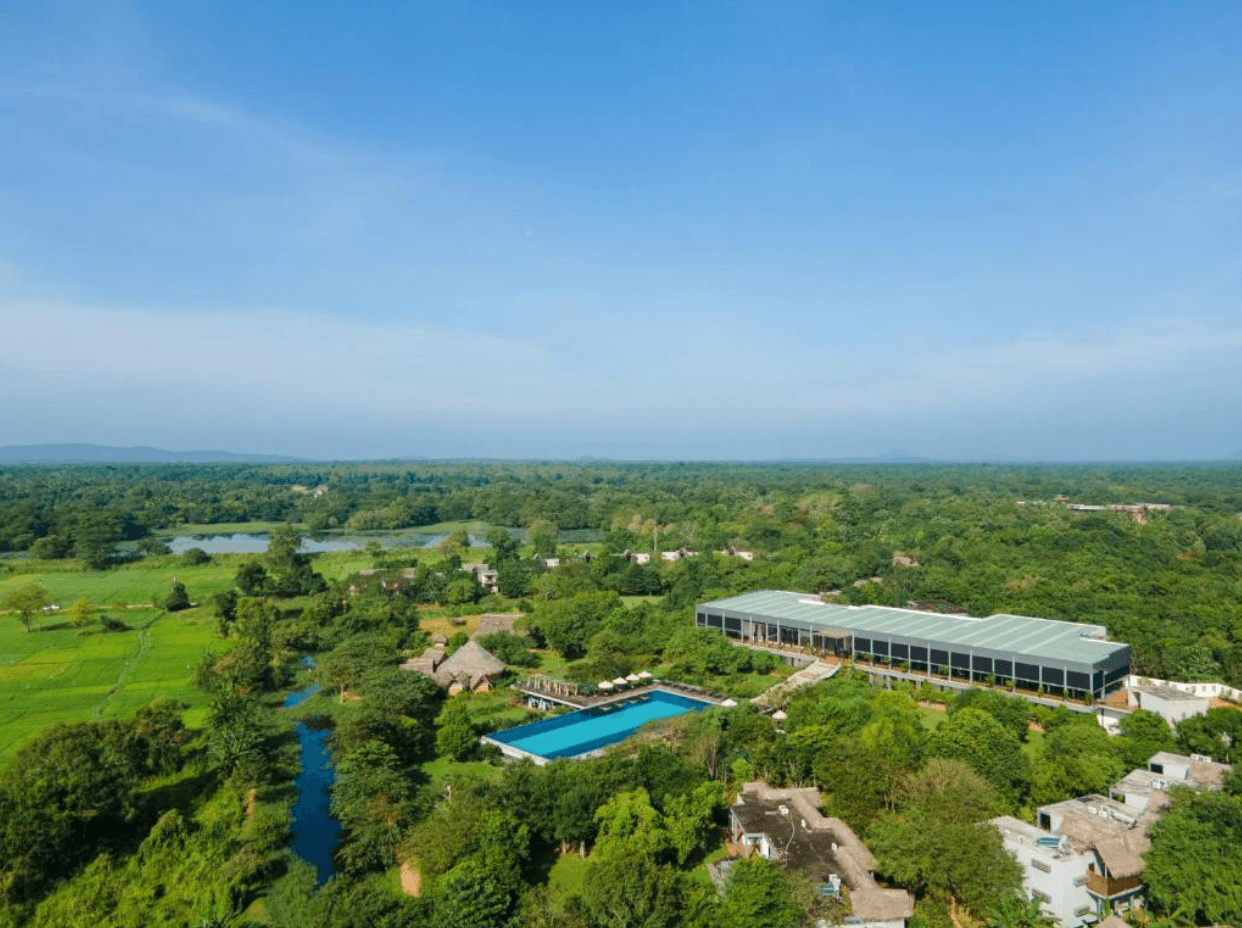
Staying at a resort built around the elephant, with naturalists who track the herds daily rather than working from a script, puts guests closer to an actual sighting than booking a generic Minneriya tour elsewhere in the Cultural Triangle. Aliya’s restaurant, lobby, and pool all face Sigiriya Rock and Pidurangala directly, so the wider Cultural Triangle stays in view even on the days spent chasing elephants instead.
Explore the resort’s accommodation and current offers, or contact Aliya Resort & Spa for help planning your stay. A Minneriya elephant gathering safari booked through Aliya starts with local knowledge of where the herds actually are, not a fixed idea of where they should be.
Blog
Related Articles