October 27, 2026
Two Ways to See Turtles in Mirissa: A Boat Trip or a Nesting Beach

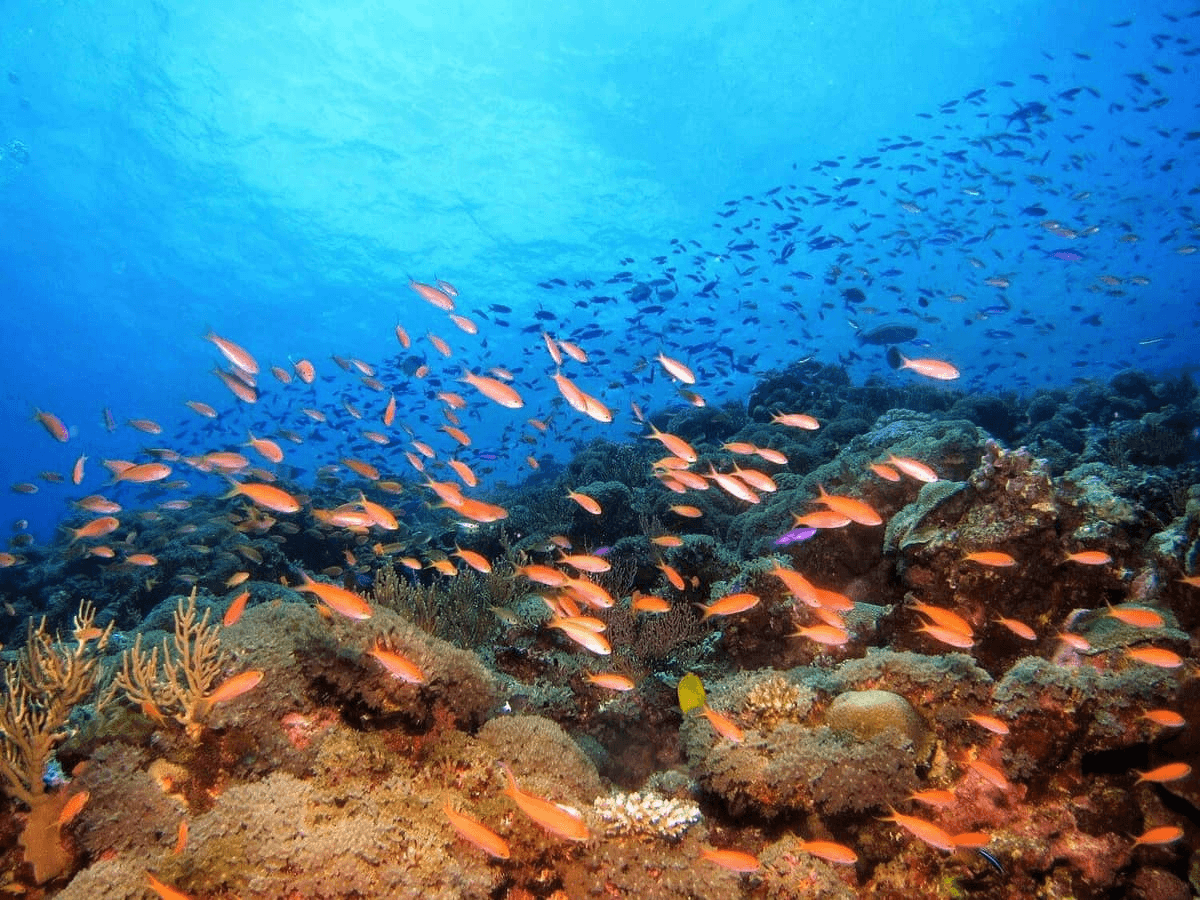
Turtle snorkelling in Mirissa starts with a short boat ride out to a reef, where green turtles surface to breathe, then settle back down to graze, close enough to watch without disturbing them. The rarer encounter happens on the beach itself: after dark, a female hauls herself out of the water to nest, on a night nobody can predict in advance.
Snorkelling With Turtles: What to Expect
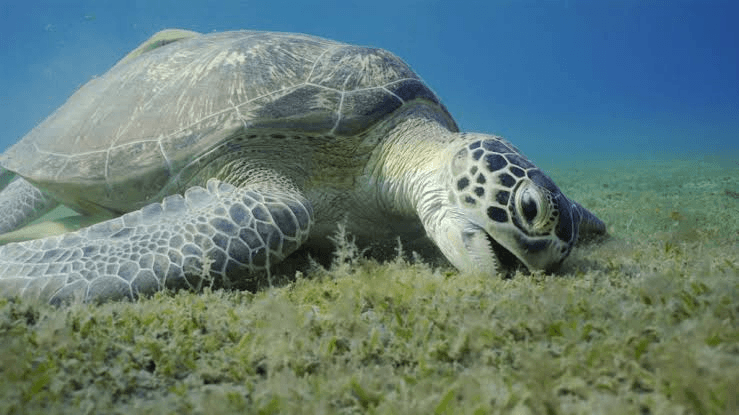
Most trips for snorkelling turtles in Mirissa head to nearby reef sites by boat, with the Polhena excursion a short distance away being one of the more established options. What snorkellers find at those reef sites is most often a green turtle, a large, heavy-shelled animal that can reach well over a metre in length. Green turtles are also the only sea turtle species that becomes almost entirely herbivorous as an adult, grazing seagrass and algae, while the other four species found in Sri Lankan waters hunt, and that steady, plant-eating routine is exactly why it tolerates snorkellers at close range so well. A turtle mid-graze is focused entirely on eating, and it will generally keep doing so if a snorkeller keeps a sensible distance and moves slowly. Trips typically run in the morning, when the water tends to be calmer and clearer than later in the day.
Turtle snorkelling in Mirissa: What Actually Determines a Sighting
A few factors decide whether a turtle is actually there to see on a given morning:
- Visibility and tide. Both shift day to day and affect how far a snorkeller can see across the reef.
- Recent boat traffic. A patch of reef several boats have already passed over that morning is less likely to still have a settled, grazing turtle on it.
- Season. The dry season, roughly November to April on this coast, generally brings calmer seas and clearer water, improving the odds without making them certain.
- Group size. Several boats crowding the same animal at once is usually what turns a calm grazing turtle into one that dives and swims off. An operator running smaller groups tends to get longer, closer sightings than one packing several groups onto the same patch of reef.
Five Species, Not All Equally Likely
Sri Lanka’s waters host five of the world’s seven sea turtle species, each built for a different way of life:
- Green turtle. The one snorkellers see most reliably. Its shell is actually brown to olive; the name comes from the greenish tint of its body fat, a side effect of its plant-based adult diet. It’s also the largest of the hard-shelled sea turtle species.
- Hawksbill. Named for its narrow, hooked beak, used to reach sponges and invertebrates wedged into coral crevices. That feeding style makes it a more active, harder-to-predict animal to find. Its shell is patterned and semi-translucent, which made it a target for the tortoiseshell trade for centuries and is a major reason the species is now critically endangered.
- Olive Ridley. Named for its rounded, olive-green shell. Elsewhere, it’s known for arribadas, mass nesting events where thousands of females come ashore on the same beach within days of each other, though nothing on that scale happens along Sri Lanka’s coast, where the numbers are far smaller. On Mirissa’s reefs they are seen less often than green turtles.
- Loggerhead. Named for its unusually large, block-shaped head, built to house powerful jaw muscles for crushing hard-shelled prey like crabs and whelks. Rarer still in these waters.
- Leatherback. The most distinctive of the five: no hard shell at all, just a leathery, oil-rich carapace over cartilage and small plates of bone, a design that’s remained largely unchanged for tens of millions of years, making it one of the oldest sea turtle lineages alive. It can dive over a kilometre down hunting jellyfish, deeper than any other turtle species, and it’s the only reptile known to keep its body warmer than the surrounding water, letting it range into far colder seas than its relatives ever could. Off Mirissa, it’s seen only occasionally, and more often further south.
The Rarer Sighting: A Nesting Beach at Vis Ta Vie
The beach directly in front of Vis Ta Vie is a turtle beach in Mirissa in the most direct sense: a nesting ground. Female sea turtles return to nest on or very close to the same beach where they themselves hatched, sometimes decades earlier, a phenomenon called natal homing, guided by an ability to sense variations in the Earth’s magnetic field that researchers still don’t fully understand. That means a turtle nesting on this sand may well have hatched on it. Nesting happens almost entirely at night and on no fixed schedule. A guest staying in the nesting season is on the right beach, but there is no way to know which nights a turtle will come ashore, so a sighting during any one stay is a matter of chance.
Why This One Needs More Care
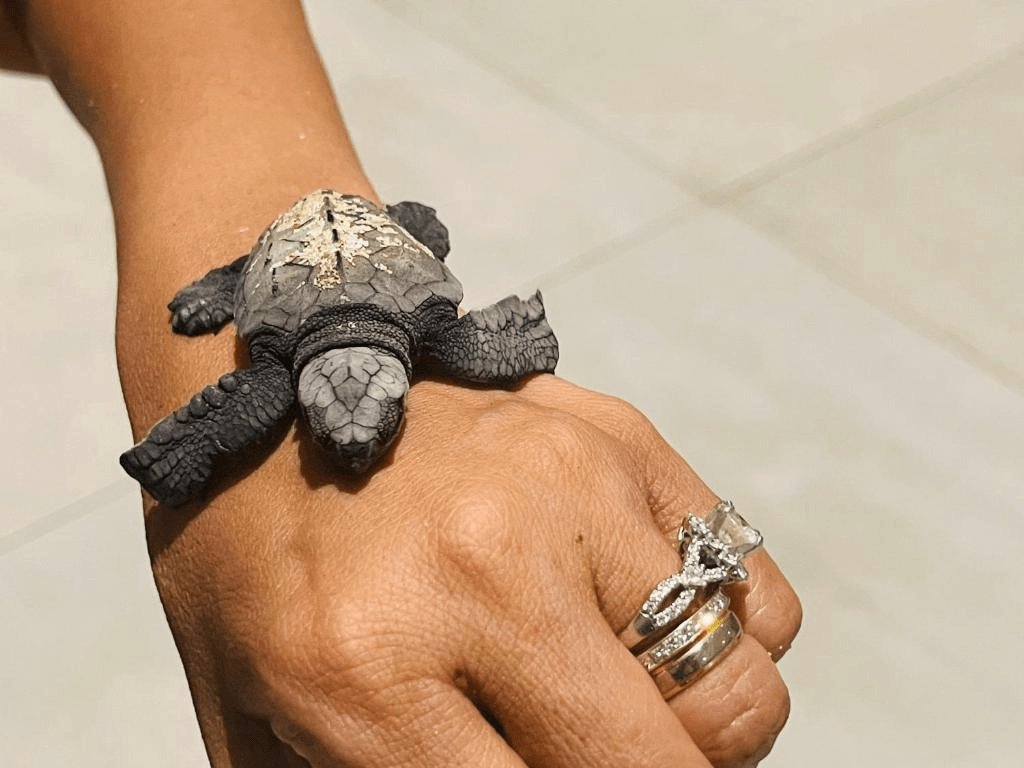
A nesting female digs a precise, flask-shaped chamber with her rear flippers, a process that can take over an hour, and she’s easily disturbed while doing it. A startled turtle can abandon the attempt entirely and return to the water without laying, a false crawl, after already spending significant energy getting that far up the beach. She only gets a limited number of nesting attempts each season, so a false crawl is a genuine loss she can’t simply make up the following night. The same sensitivity applies once eggs are laid: the temperature of the surrounding sand during incubation determines the hatchlings’ sex, warmer sand producing more females, and disturbing the nest can affect that balance too. Hatchlings that do emerge move in an intense burst of continuous swimming for their first day or two, racing to clear the nearshore waters where they’re most vulnerable, so a light or a disturbance at exactly the wrong moment can cost more than a photograph is worth.
If a nesting turtle, or a hatching, is ever encountered, the essentials are simple:
- No flash photography.
- No torches aimed directly at the animal.
- No touching, illegal in Sri Lanka, and harmful regardless.
- Enough distance for it to finish undisturbed.
Vis Ta Vie’s Conservation Work
Vis Ta Vie runs awareness activities for guests and the local community about turtle conservation, and works alongside local conservation organisations and authorities on the ground. Coastal development is one of the most common pressures on sea turtle nesting sites generally, since a lit, built-up shoreline disorients nesting females and disrupts the hatchlings’ instinct to head toward the brightest horizon, historically the open sea, now sometimes a hotel forecourt instead. A property built along an active nesting beach carries some responsibility for keeping that shoreline usable for the animals that return to it.
Plan a Trip That Covers Both
Turtle snorkelling in Mirissa and the quieter possibility of a nesting turtle after dark are both part of the same coastline Vis Ta Vie sits on, whether that means a morning spent snorkelling in Mirissa or simply staying somewhere close enough to either. Explore the hotel’s accommodation and current offers, or contact Vis Ta Vie for help planning your stay, whether you’re booking the reef trip or simply hoping the beach outside your room has something to show you after dark.
Blog
Related Articles