The things to do in Tangalle around Mawella include a sheltered mangrove lagoon, a blowhole that needs rough water, a temple at Dikwella, and a night walk along the shore. The state of the sea decides which of them suit a given day: some work in any season, and one is at its best for only part of the year.
Which Things to Do in Tangalle Depend on the Sea
The south coast’s sea changes with the monsoons. From roughly November to April, the dry season brings calmer water. From roughly May to September, the southwest monsoon brings rough seas to the same beaches. Each season changes what a day near Mawella should hold.
| Stop | How much the sea matters | Timing |
| Lagoon kayaking at Mawella | Little; the channels are sheltered | 6.00am or 4.00pm starts |
| Hummanaya blowhole | A great deal | Strongest in rough seas, roughly May to September |
| Wewurukannala temple | None | Any season |
| Night walk at Mawella Beach | Turtle chance in nesting season only | 7.00pm start |
| Rekawa turtle watching | Depends on nesting season | Leaves at 7.00pm |
The Lagoon at the Edges of the Day
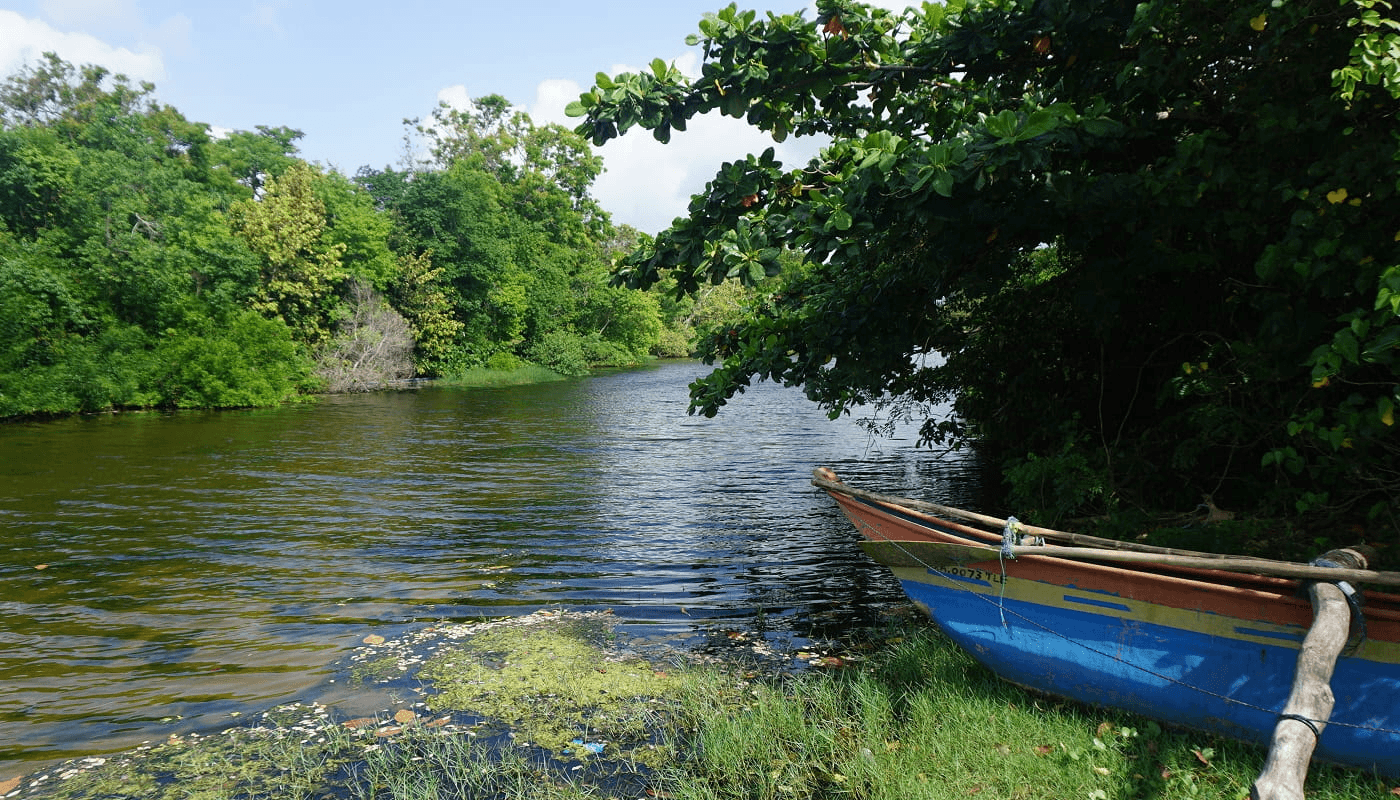
Lagoon kayaking at Mawella takes about 3 hours, is rated Easy, and covers about 2 kilometres one way, with a snack, a naturalist, a kayak, and life jackets included. Starts are at 6.00am or 4.00pm.
The route runs through mangrove-lined channels we call sheltered, which is why it works in rough-sea months too. Guests may spot kingfishers, herons, and egrets, along with the occasional mammal. The mangroves protect the coastline and act as nursery habitat for many aquatic species. Visitors on late-afternoon trips report fruit bats leaving the trees around dusk.
The Blowhole and the Harbour
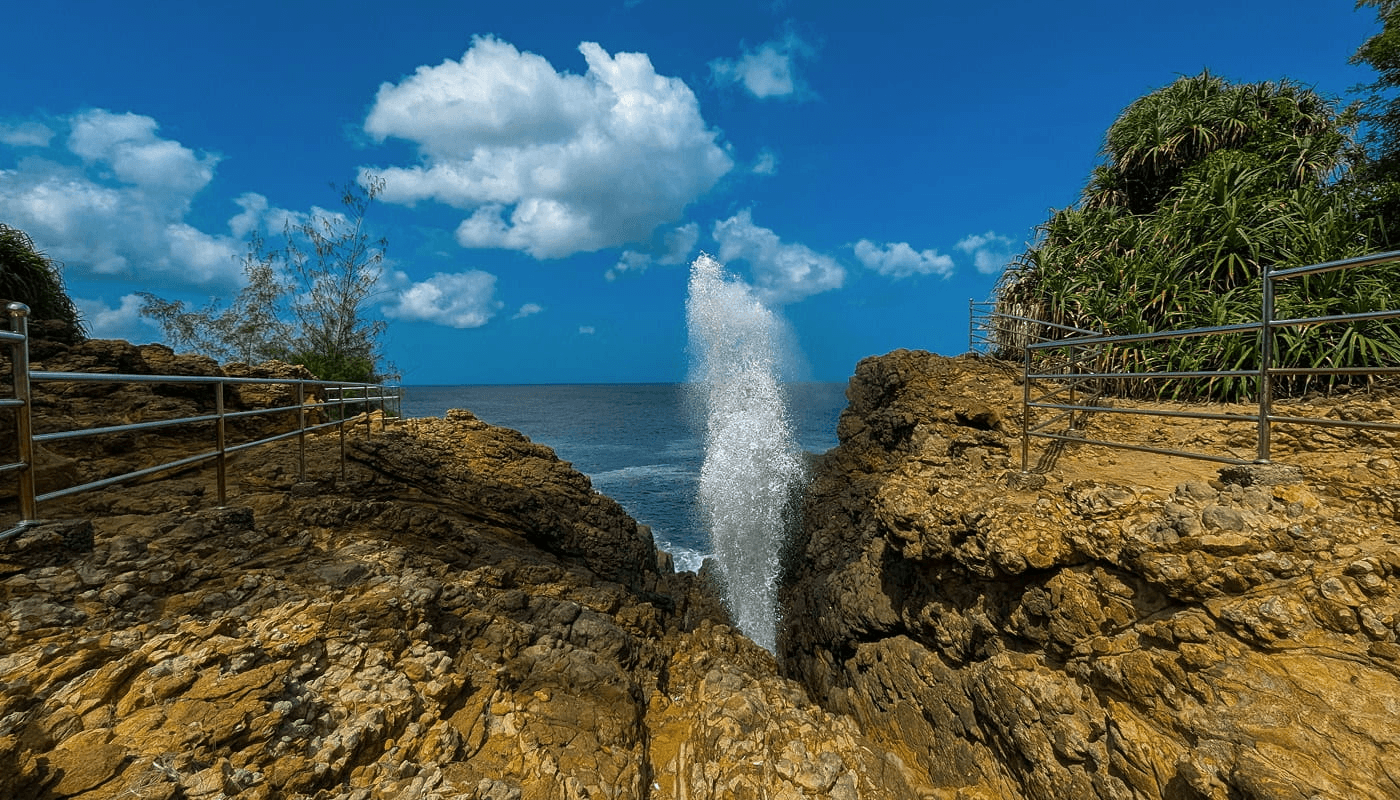
The Hummanaya blowhole and Kudawella harbour visit takes about 3 hours, is rated Easy, and covers about 14 kilometres round trip. Starts are at 9.00am or 3.00pm. Hummanaya is described as the only known blowhole in Sri Lanka. Seawater driven into a rock cavern is forced up through a hole, so what a visitor sees depends on swell and tide, and we tell guests the same: the display varies with sea condition.
Visitors report the best sprays in rough monsoon seas, roughly May to September, with July and August named most often, and at high tide. Reports of height run from a few metres in calm weather to 25 metres or more in rough seas. Visitors in December, January, and March report long waits and little spray. The path from the road runs through a fishing village to a railing, and sprays come in bursts, often 15 to 20 minutes apart. On a rough day the spray can reach the railing, so we suggest bringing a change of clothes for the rest of the day.
The visit continues to Kudawella’s working harbour and pier, where guests can observe fishing activity, fish auctions, traditional fishing culture, and marine life.
The Temple at Dikwella
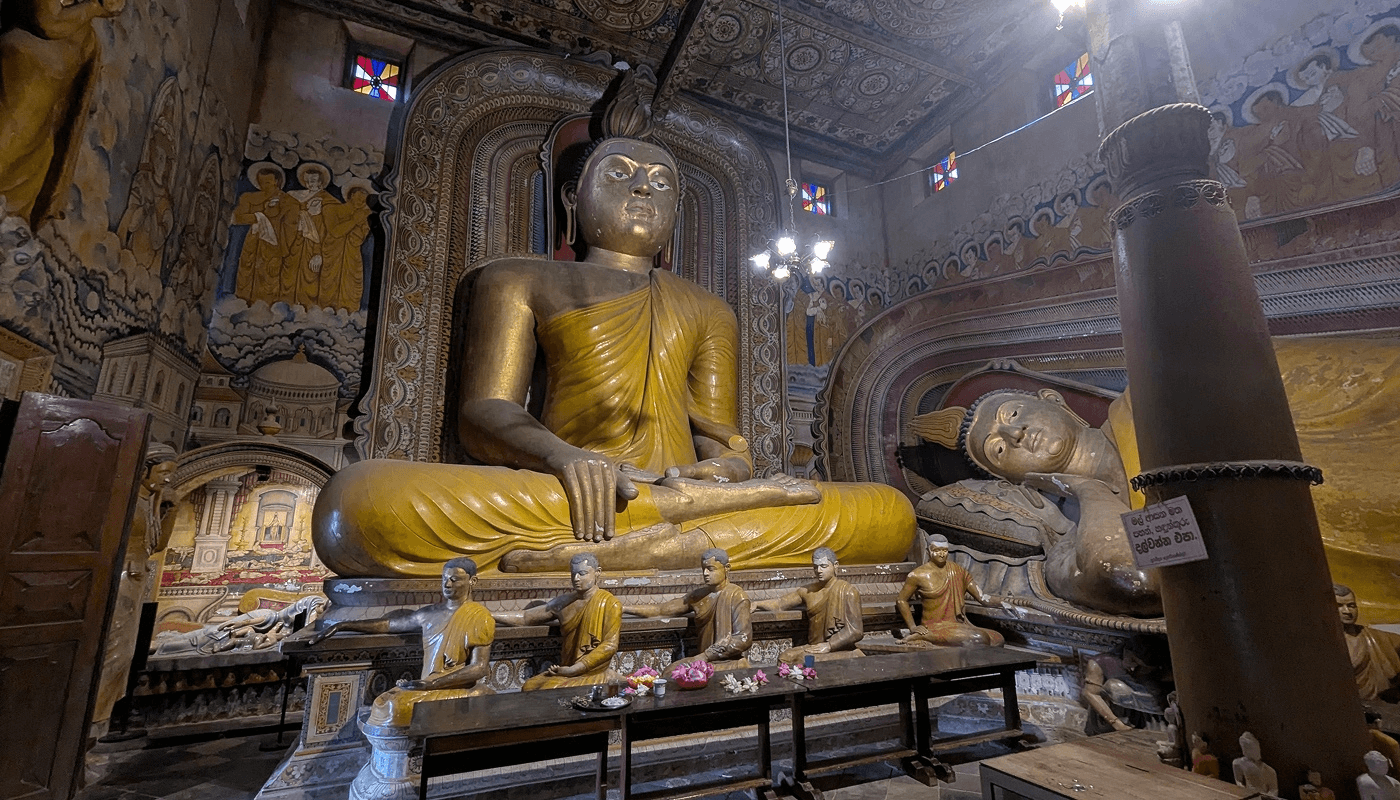
The Wewurukannala Rajamaha Viharaya visit takes about 2 hours, is rated Easy, and includes transport and a naturalist or staff member. The temple lies about 30 minutes from Mawella, near Dikwella and Hiriketiya. It dates to the late Kandyan period and combines Dutch-inspired architecture with Kandyan-style murals of the Buddha’s life and the Jataka stories. A towering seated Buddha dominates the site. Alongside the murals, a corridor of life-size figures depicts the hell realms described in Buddhist teaching. Hiriketiya, the nearby bay, is well known among tourists and surfers, and the temple stop sits close enough to pair with it.
The Evening Shore
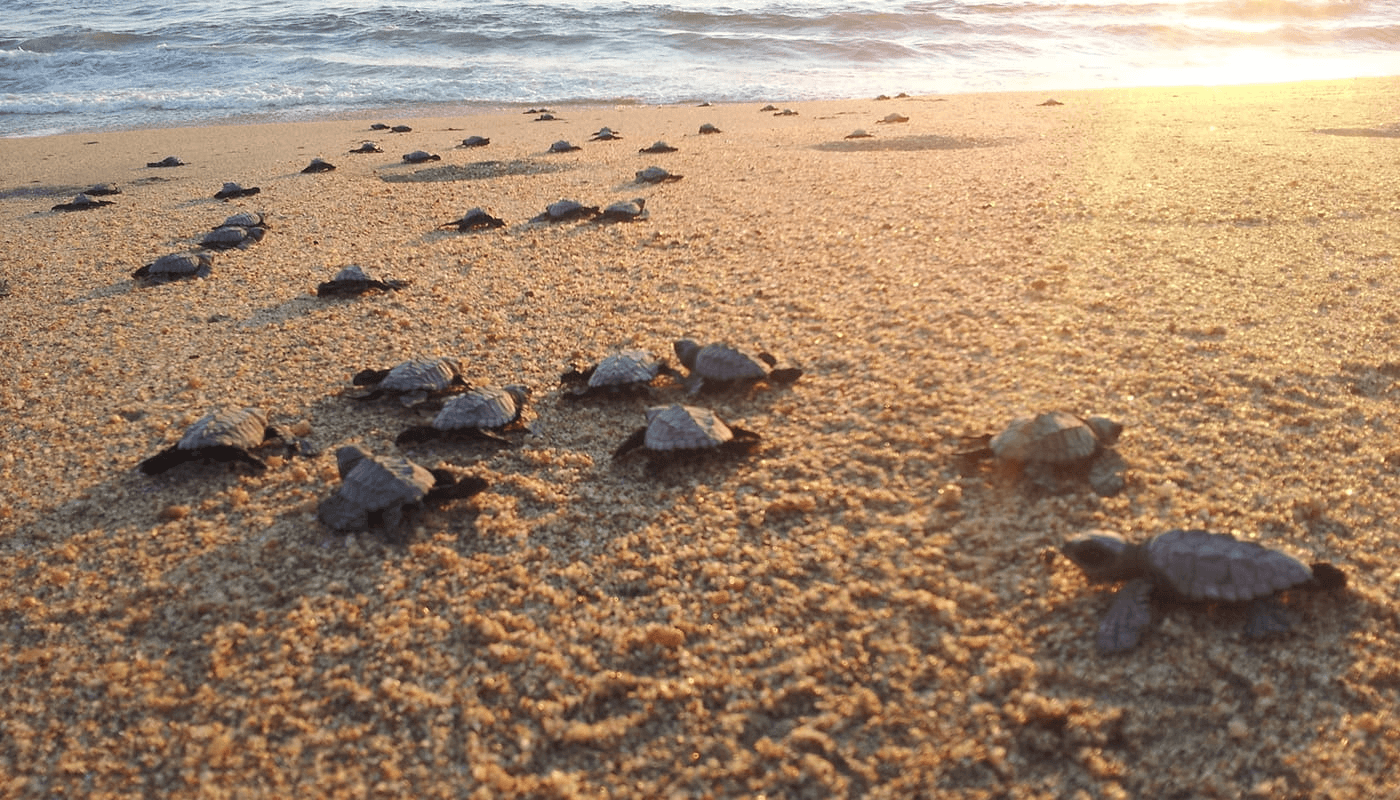
The night walk at Mawella Beach starts at 7.00pm, runs about 2 hours, and covers about 4 kilometres round trip. The trail passes rocky coastal outcrops, two mangrove habitats, and a stretch of coastal vegetation. Guests may spot ghost crabs and water snakes along the way. In turtle nesting season there is a chance of seeing turtles come ashore, though we cannot guarantee a sighting. We advise dark clothing and a torch or headlamp.
Guests who want a dedicated turtle watch can choose Rekawa turtle watching, about 18 kilometres away. It leaves at 7.00pm, the watch begins around 7.30pm and lasts 2 to 3 hours, and it takes place in a protected nesting area.
Putting the Day Together
All four stops add up to about 10 hours of guided time, so most days will hold two or three.
The rough-sea day (roughly May to September)
- 6.00am: the lagoon, 3 hours, in sheltered water.
- 9.00am: the blowhole and Kudawella harbour, 3 hours. Ask about the tide before choosing the hour.
- Afternoon: rest, or the Wewurukannala temple, 2 hours.
- 7.00pm: the night walk, 2 hours.
The calm-sea day (roughly November to April)
- 6.00am: the lagoon, 3 hours.
- Late morning: the beach and a rest. Tour operators describe Mawella’s beach as sheltered, with calmer water than neighbouring stretches.
- Afternoon: the Wewurukannala temple, 2 hours.
- 7.00pm: the night walk, or Rekawa turtle watching, which leaves at the same hour.
Stay in Mawella
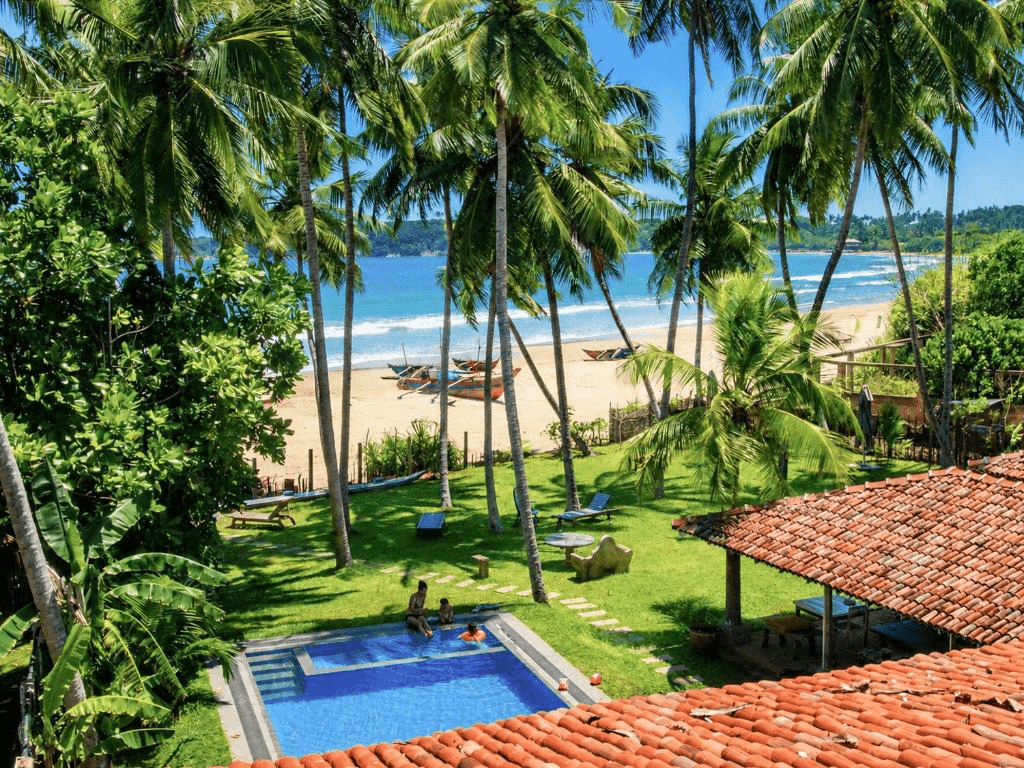
The things to do in Tangalle above run from Deewara, our collection of restored heritage homes in the fishing village of Mawella, just outside Tangalle. The lagoon is steps from the property, and the night walk starts directly from it. Courtyards open steps from the beach, with a courtyard pool and a tropical garden. Five room types run from the 26 square metre Courtyard rooms to a 69 square metre Suite that sleeps four adults.
Meals are served in our Dining Hall from 6.30am to 10.00pm, or on a private balcony, by the pool, or in the garden. Our kitchen sources its seafood close to Kudawella’s working harbour, the same harbour on the blowhole outing.
Explore the hotel’s accommodation and current offers, or contact Deewara for help planning your stay. Whichever way the sea turns, there is a day here to match it.
Blog
Related Articles