


For a lot of itineraries, Kandy is a name on the way to somewhere else: a night between Sigiriya and the hill country, long enough for the Temple of the Tooth and a walk by the lake before moving on. If you’re wondering how many days in Kandy actually makes sense, the honest answer is more than that. One rushed night sees the highlights. Three nights lets you actually be there, and notice the difference between the two.
What a Single Night Actually Buys You
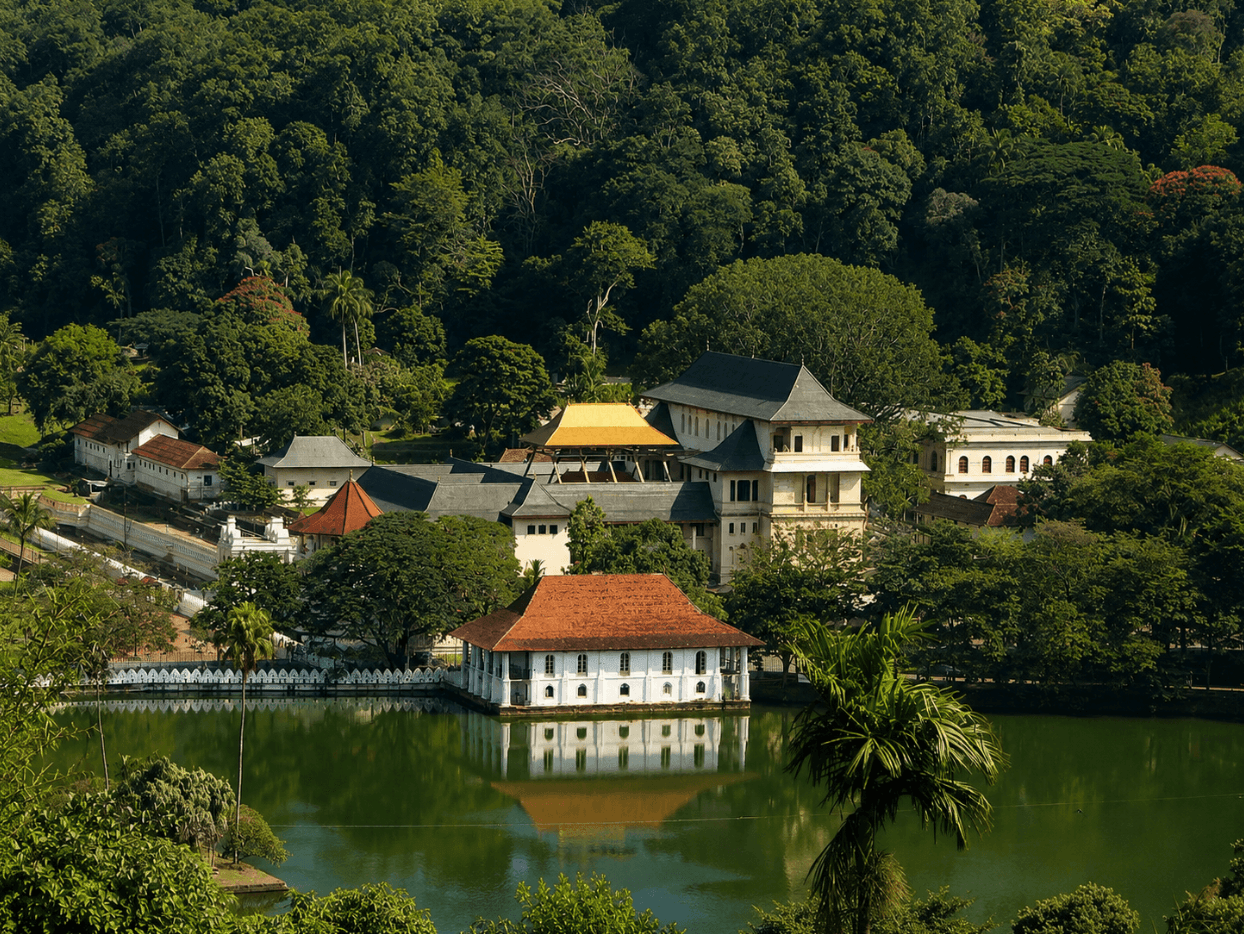
A one-night stop in Kandy tends to follow the same script: an afternoon at the Temple of the Tooth, a walk around the lake, maybe the botanical gardens at Peradeniya if there’s time before the light goes, then an early start the next morning for wherever comes next. None of that is wrong, exactly. It’s just compressed. The Temple of the Tooth holds its daily ceremonies at set times, morning and evening, with drumming that’s genuinely worth planning an evening around rather than fitting in around a dinner reservation. Peradeniya’s gardens reward an unhurried few hours, not a rushed hour before closing. And Kandy Lake, walked properly rather than glimpsed from a moving car, has its own quiet pull that a single tight evening rarely leaves room for. Compressed into one evening and one morning, Kandy becomes a checklist rather than a place.
How Many Days in Kandy: What Three Nights Changes
Three nights changes the shape of the visit entirely, because it stops needing to cram the city, the culture, and the surrounding hills into the same few hours.
- One day for the city itself. The Temple of the Tooth at the right time of day, an unhurried walk around Kandy Lake, and time to actually look at the town rather than pass through it.
- One day for Peradeniya and the wider culture. The Royal Botanical Gardens properly explored, not squeezed in before closing, alongside whatever else the day allows at its own pace.
- One day for the hills around Kandy. Hanthana, a stage of the Pekoe Trail, or simply the quiet of a hillside setting away from the town itself, the part of a Kandy stay that a one-night stop never has time for at all.
That third day is the one most itineraries skip entirely, and it’s arguably the most distinctive part of what Kandy actually offers: a hill-country setting minutes from a genuinely significant cultural and religious centre, which very few of Sri Lanka’s other major towns can claim. Sigiriya has the rock. Galle has the fort. Kandy has both a living religious site and a hillside worth walking, and most visitors only ever see the first half of that pairing.
Why the Base You Choose Changes the Argument
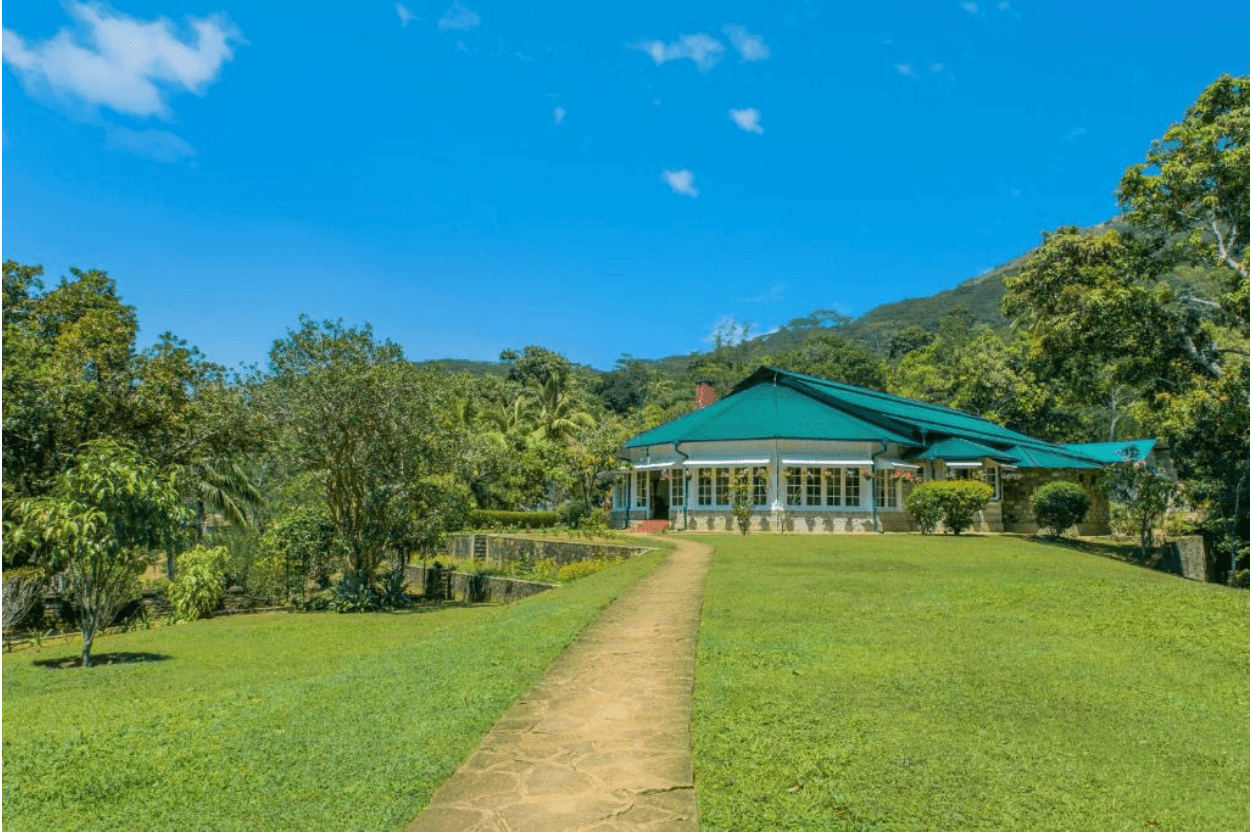
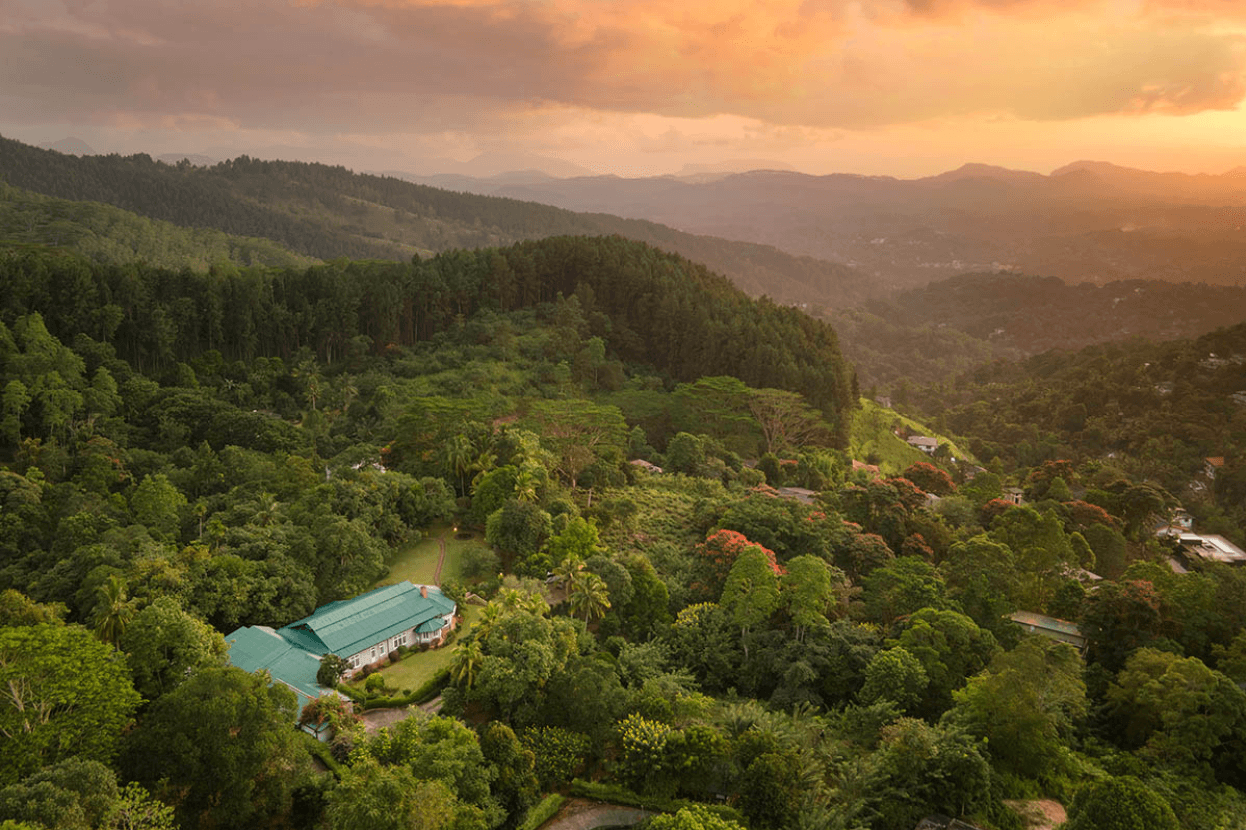
None of this works particularly well from a hotel in the thick of Kandy’s town centre, where the pace of the streets follows you home. Mountbatten Bungalow sits roughly fifteen minutes into the hills above Hanthana, close enough that the Temple of the Tooth, Kandy Lake, and Peradeniya’s gardens are all a short drive away, but far enough that the third day, the hill-country day, starts from the property’s own doorstep rather than requiring an excursion to reach it. Birdsong and forest replace traffic the moment you’re back, and the scale of the place, a small, intimate bungalow with butler-style service rather than a large hotel, suits a slower stay in a way a bigger property built for turnover doesn’t. That difference matters more on a three-night stay than a one-night one, since there’s actually time to notice it.
Slow Down for Three Nights
Kandy rewards the visitors who give it time rather than the ones who pass through it, and how many days in Kandy you set aside is really the whole decision. Mountbatten Kandy is built around exactly that pace, hillside seclusion close enough to the city to reach everything worth reaching, and far enough to actually slow down. If a stay among the bungalows in Kandy sounds like the trip you’re after, we’d be glad to help you plan three nights properly, rather than one rushed one.
Explore accommodation, check current offers, or get in touch to start planning your stay.
Blog
Related Articles