

A simple guide to famous Sri Lankan food, traditional dishes, and where to experience authentic Sri Lankan cuisine in Sigiriya and Dambulla.
Before Sri Lanka makes sense through its temples or landscapes, the island introduces itself through food.
A simple plate can carry more detail than a guidebook with spices layered carefully, coconut used in different forms, and recipes created and updated by generations. What may look like a mix of small dishes quickly turns into something more thoughtful once you begin to notice how each of these flavours works together.
For travellers exploring Sri Lanka, food becomes part of the journey. If you’re wondering what to eat in Sri Lanka, understanding local cuisine helps you recognise what you are eating, how it is prepared, and why it varies from one place to another.
What Makes Sri Lankan Cuisine Unique
Sri Lankan cuisine is built around a variety served on one plate.
Instead of separate courses, meals are presented together, allowing you to combine flavours as you eat. Rice forms the base, surrounded by curries, vegetables, sambols, and sometimes fish or meat.
Each dish brings a different element, from mild lentil curries to spicier preparations and fresh coconut-based sides.
Regional differences also influence the food:
Along the coast, seafood appears more often, with fresh fish, prawns, and crab cooked in ways that keep the flavours clean and balanced. Coconut milk is still used, but dishes can feel lighter, with a slight sharpness that suits the climate.
In inland regions like the Cultural Triangle, meals rely more on vegetables, lentils, and coconut. Cooking here leans towards deeper spice blends and slower methods, giving dishes a more comforting, grounded feel.
This shift from coast to inland is part of what defines Sri Lankan cuisine. The ingredients may be similar, but the way they are used changes from place to place, making each meal feel slightly different.
12 Must-Try Sri Lankan Dishes (Best Sri Lankan Food to Try)
These are some of the most recognised Sri Lankan dishes you’ll come across while travelling through the island.
Rice and Curry – The Heart of Sri Lankan Cuisine
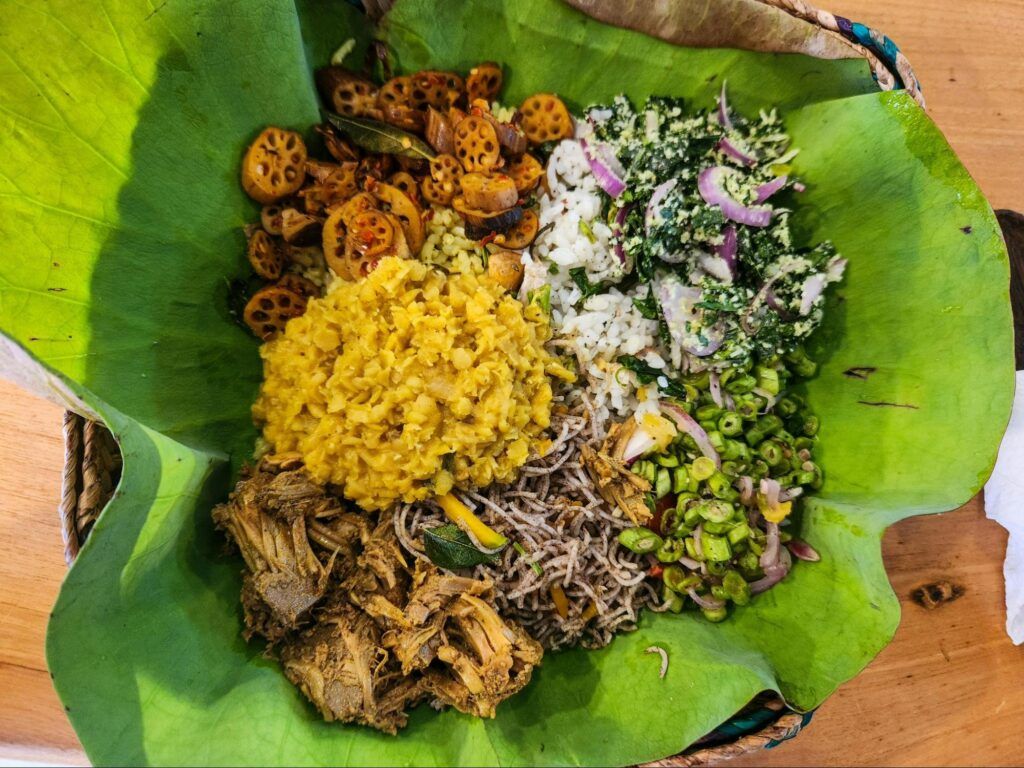 Rice and curry is the quintessential Sri Lankan meal, served as a mix of dishes on one plate. What makes it interesting is how it changes across the island, with each region bringing its own variation.
A typical plate may include dhal curry, one or two vegetable curries, a fish or chicken preparation, and a coconut sambol. Each component is cooked separately using different spices and methods, which is why every meal feels slightly different depending on where you eat.
Hoppers (Appa) – A Sri Lankan Breakfast Favourite
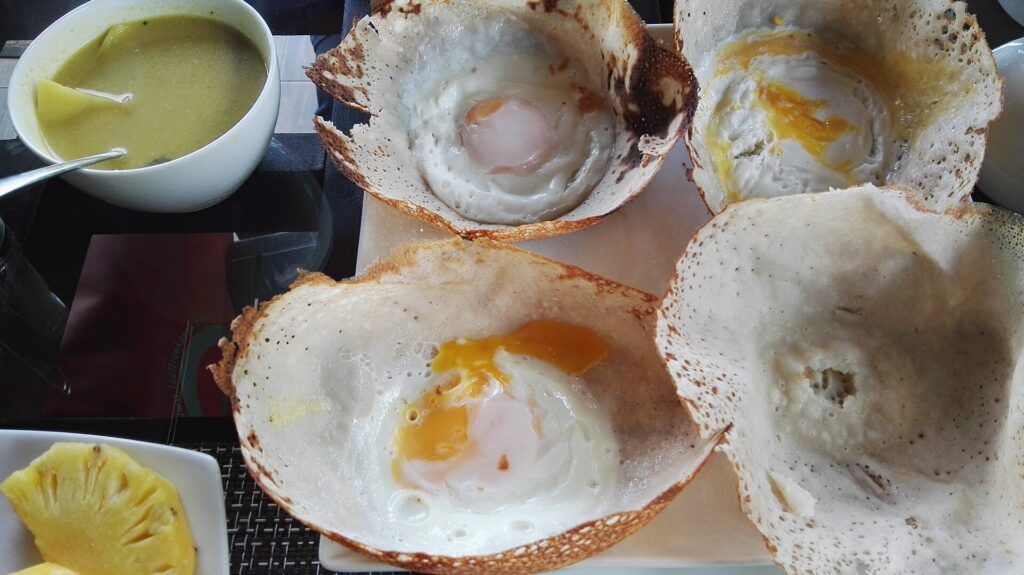
The centre remains soft, making it ideal for holding an egg or soaking up sambols and curries. They are usually eaten for breakfast or dinner and are best enjoyed fresh from the pan.
String Hoppers (Idiyappam) – Light and Filling
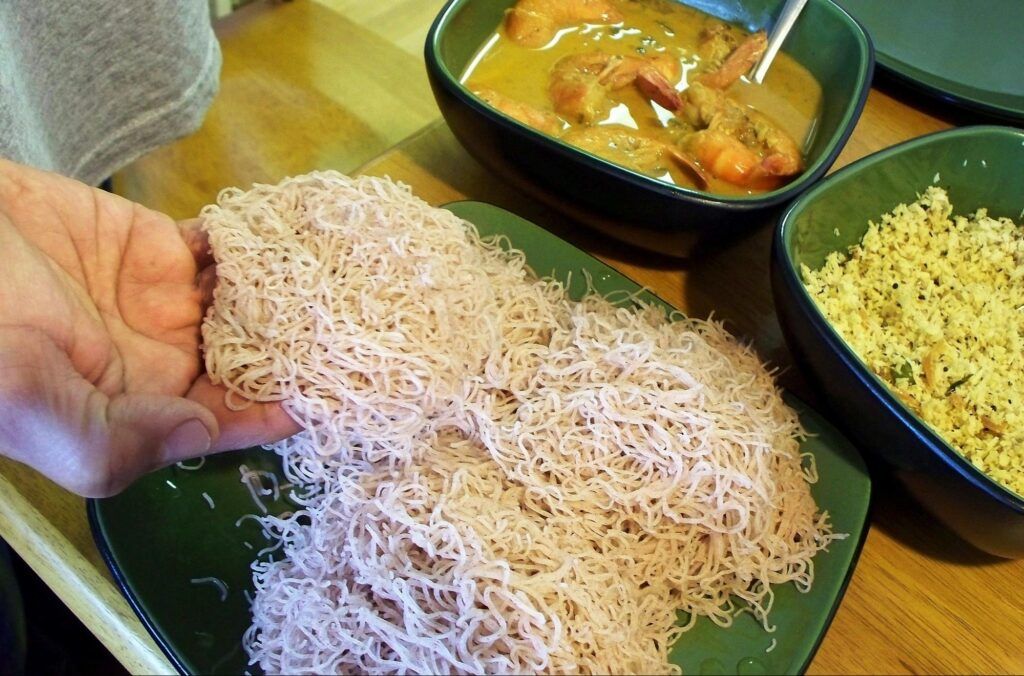 String hoppers are made by pressing rice flour dough into fine strands and steaming them into small, flat discs that look like little bird nests.
They have a soft, delicate texture and are usually served with coconut milk gravy and dhal curry. Because they are light, they are usually eaten in larger portions, especially for breakfast.
Kottu Roti – Sri Lanka’s Street Food Classic
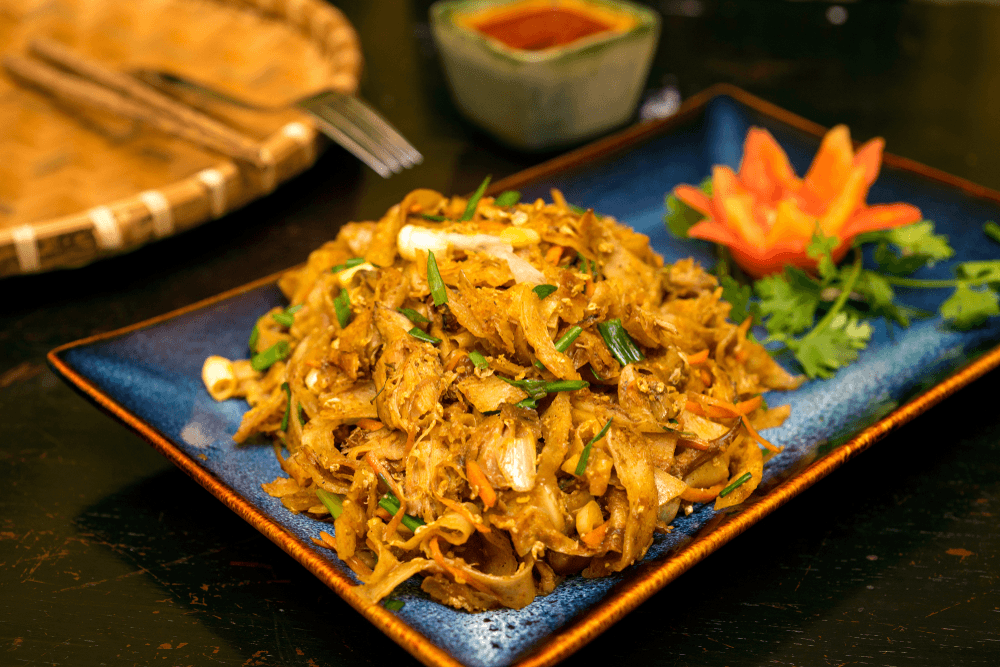 Kottu roti is one of the most popular Sri Lankan street foods and is easy to recognise by the sound of metal blades chopping on a hot griddle.
It is made by mixing chopped flatbread with vegetables, eggs, and meat of your choice. The ingredients are cooked together quickly, creating a dish that is both filling and full of flavour.
Pol Sambol – A Fresh Coconut and Chilli Mixed Relish
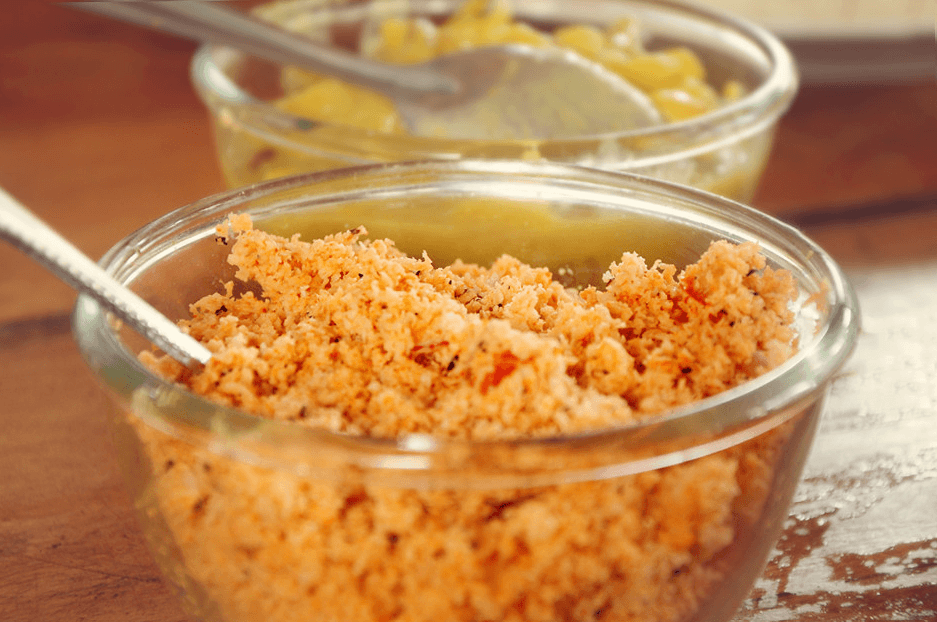
In a land of coconuts, this coconut relish is an irreplaceable side dish. It is a simple mixture of grated coconut, chilli, onion, lime, and salt.
Despite the simplicity, it plays an important role in Sri Lankan meals. It adds freshness and a slight heat that balances richer curries, making each bite more varied.
Dhal Curry (Parippu) – A Daily Staple in Sri Lanka
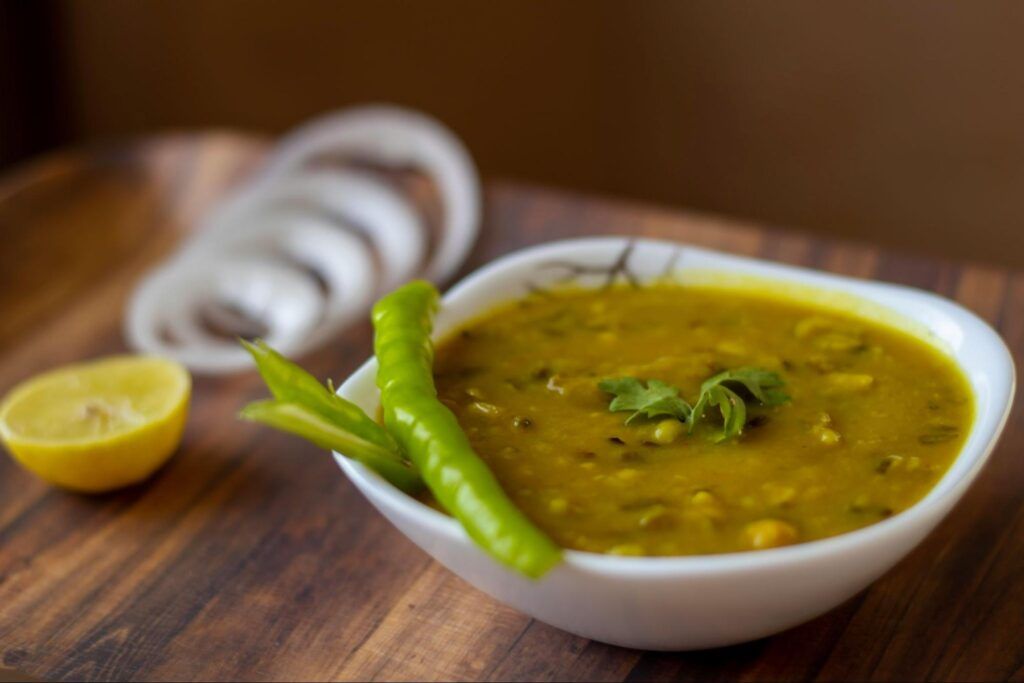 Dhal curry is one of the most widely eaten dishes in Sri Lanka and is served in homes and restaurants alike.
It is made by cooking lentils with coconut milk and mild spices until soft. The result is a creamy, comforting dish that pairs well with almost everything on the plate.
Fish Ambul Thiyal – A Sour Fish Curry
Fish ambul thiyal is known for its deep, sour flavour, created using a dried fruit called goraka.
Unlike other curries, it is cooked with very little liquid, allowing the flavours to concentrate. The fish absorbs the spices, resulting in a firm, flavourful dish that keeps well for several days.
Lamprais – A Layered Rice Dish
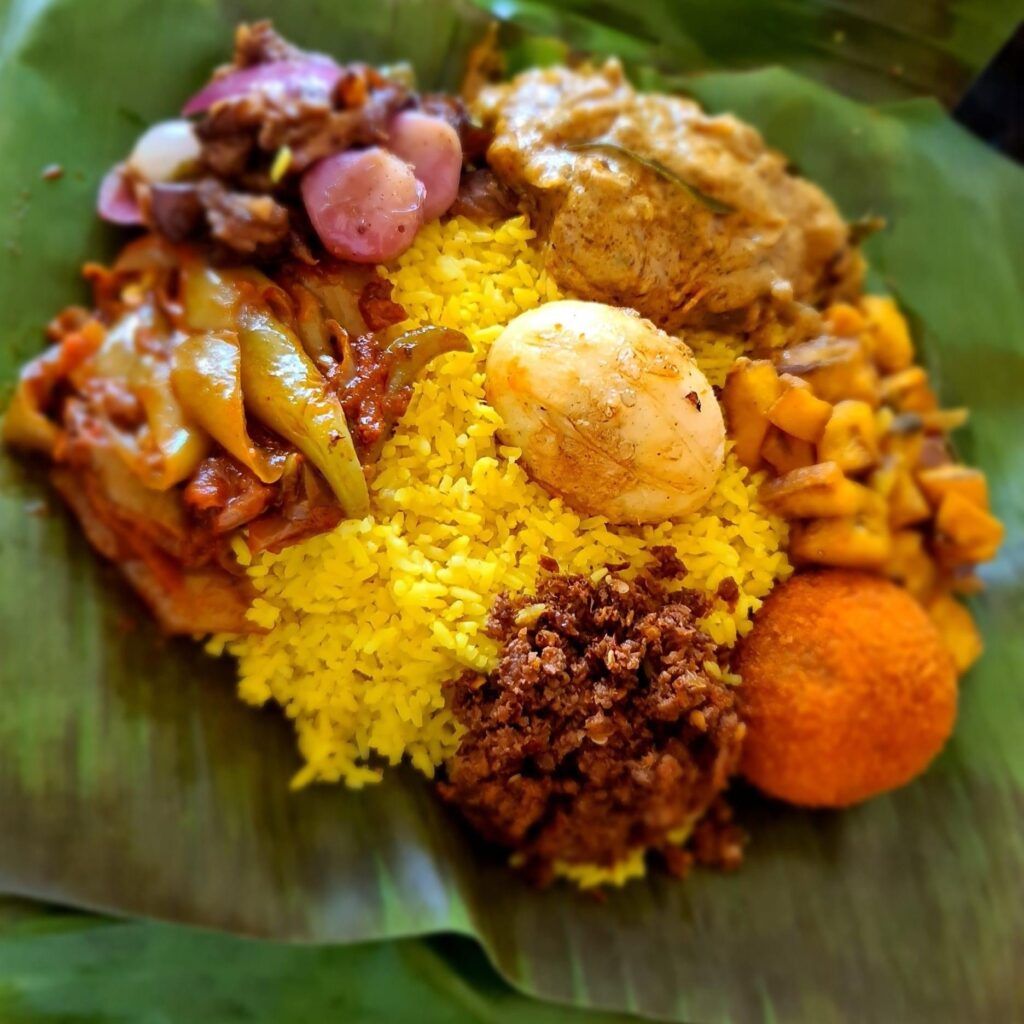 Lamprais is a rice-based dish influenced by Sri Lanka’s colonial past.
Rice, meat curry, sambol, and other accompaniments are wrapped in a banana leaf and baked together. The leaf traps the flavours, giving the dish a distinct aroma and depth.
Gotu Kola Sambol – A Traditional Sri Lankan Herbal Salad
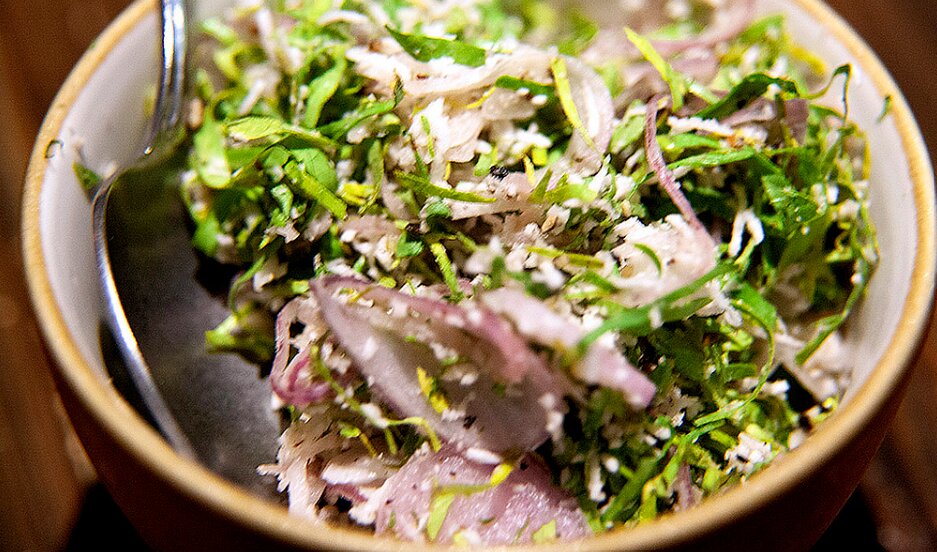 Gotu kola sambol is a simple Sri Lankan salad made with finely chopped pennywort leaves, mixed with grated coconut, onion, chilli, and lime.
It is light and refreshing, often served alongside rice and curry to balance richer dishes. The slight bitterness of the leaves, combined with coconut and lime, creates a well-balanced flavour that adds freshness to the meal.
Kiribath (Milk Rice) – A Traditional Favourite
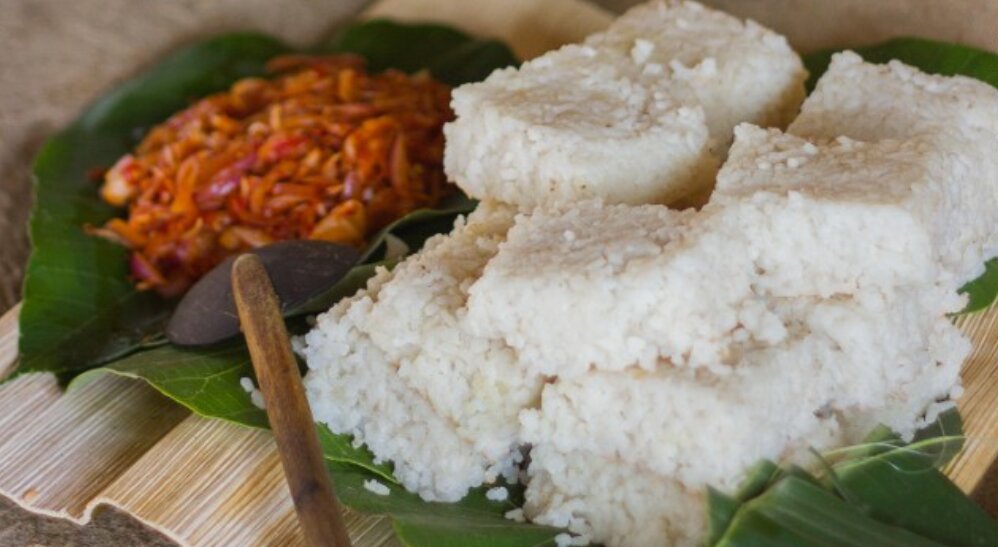 Kiribath is rice cooked in coconut milk and pressed into a firm shape before being cut into pieces.
It is often prepared during celebrations and special occasions. It can be eaten with spicy sambol for contrast or with jaggery for a sweeter option.
Wambatu Moju – Sweet and Sour Brinjal
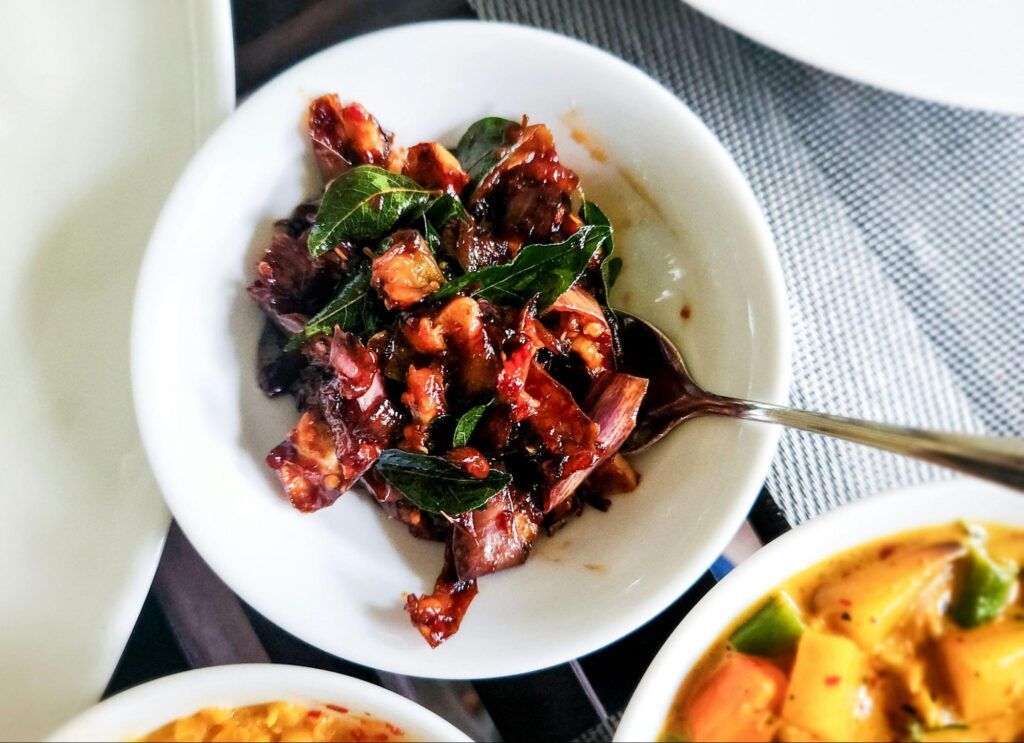 Wambatu moju is made using fried brinjal pieces combined with a sweet and sour sauce.
The dish is rich and slightly sticky, with a balance of flavours that stands out among other curries. It is usually served in small portions as part of a larger meal.
Traditional Sri Lankan Sweets – Kevum and Kokis
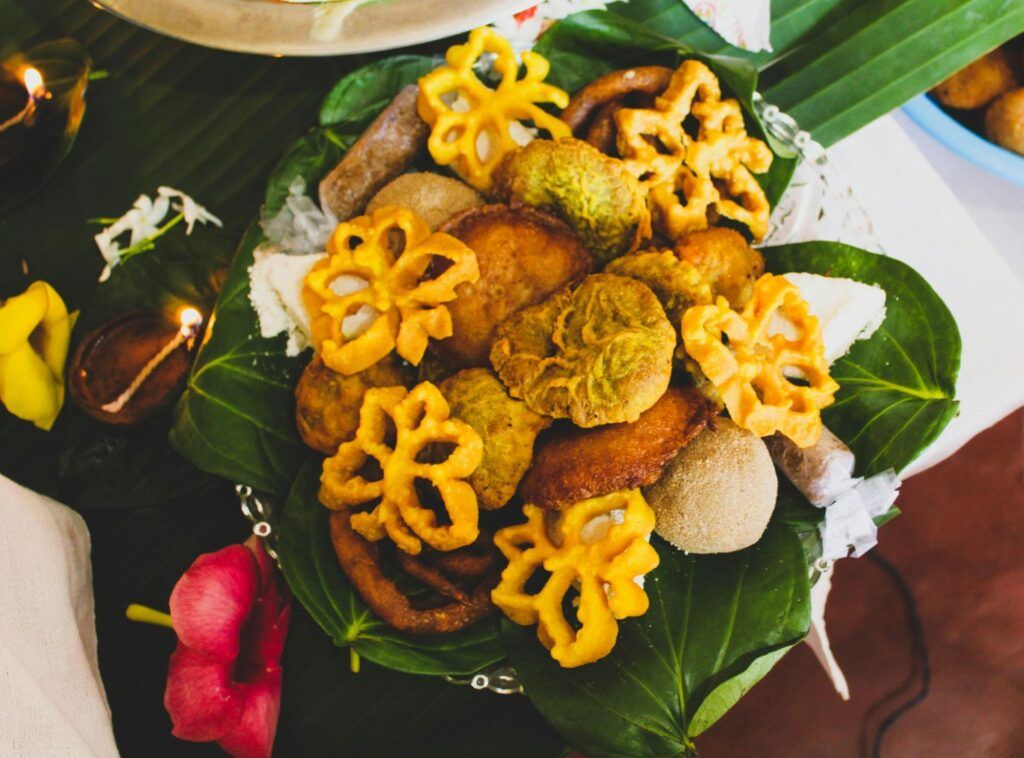 Kevum and Kokis are traditional sweets commonly prepared during festivals.
Kevum is made from rice flour and treacle, deep-fried to create a soft interior with a slightly crisp outer layer. Kokis, on the other hand, is light and crunchy, shaped using a mould before frying.
Together, they show a different side of Sri Lankan cuisine, focusing on texture and sweetness rather than spice.
Tips for Trying Traditional Sri Lankan Food
If you’re unsure what to eat in Sri Lanka, a few simple approaches can help you get more out of each meal.
- Start with Milder Dishes: Begin with lentil curries or coconut-based dishes before trying stronger flavours.
- Try a Full Rice and Curry Meal: This helps you understand how different dishes are meant to be eaten together.
- Mix Flavours on Your Plate: Combine rice with different curries gradually to balance taste and spice.
- Eat with Your Hands: If comfortable, try eating with your hands to understand how flavours combine.
- Ask About Ingredients: Check spice levels and cooking methods to choose dishes that suit your taste.
- Try Local Breakfasts and Dinners, Not Just Lunch: Breakfast, lunch, and dinner offer different dishes, giving a wider view of Sri Lankan cuisine.
- Eat Close to Where Ingredients Are Sourced: In inland regions like Sigiriya and Dambulla, meals use fresh vegetables, lentils, and coconut. Staying in one location for a few days allows you to notice these differences more clearly.
Where to Experience Sri Lankan Cuisine in Sigiriya and Dambulla
Trying these dishes across restaurants gives you a sense of flavour, but it does not always show how they are prepared.
A cooking demonstration can be a good place to begin, as it provides a more hands-on way to understand Sri Lankan food. By seeing each step up close and taking part in the process, you get a clearer sense of how ingredients, spices, and techniques come together.
In the Cultural Triangle, a few places offer this kind of experience, connecting what you eat with how it is made.
A Cooking Demonstration at Aliya Resort & Spa
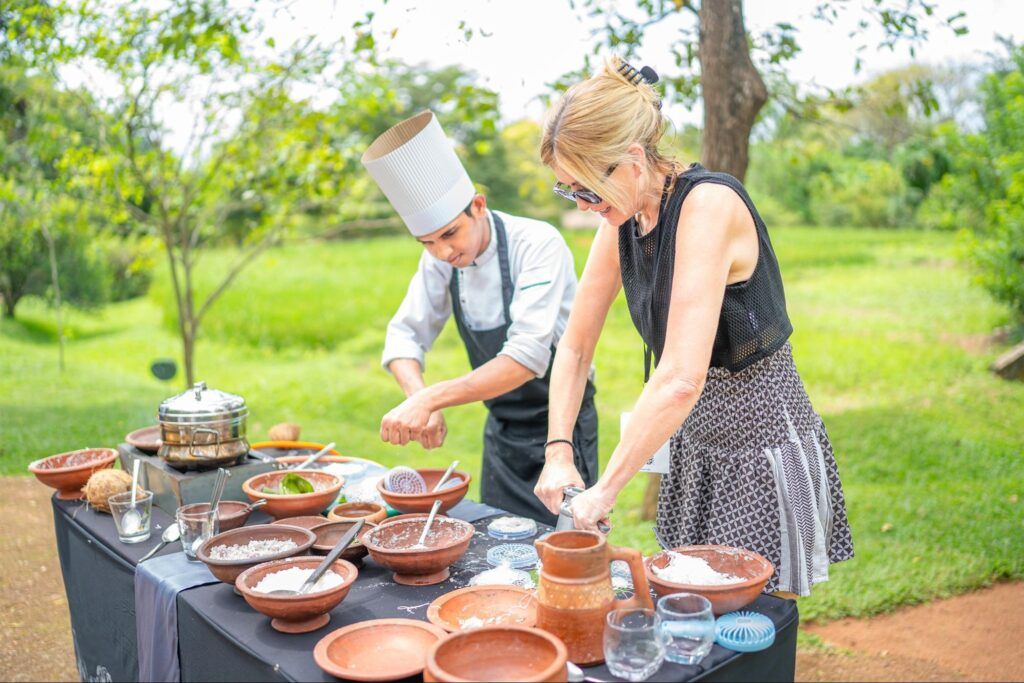 At Aliya Resort & Spa, located near Sigiriya Rock, guests can take part in a cooking demonstration that follows the full journey of a meal, from ingredient to plate.
The hotel works well as a base for exploring nearby attractions while also connecting you to local food traditions.
From Garden to Woodfire Kitchen:
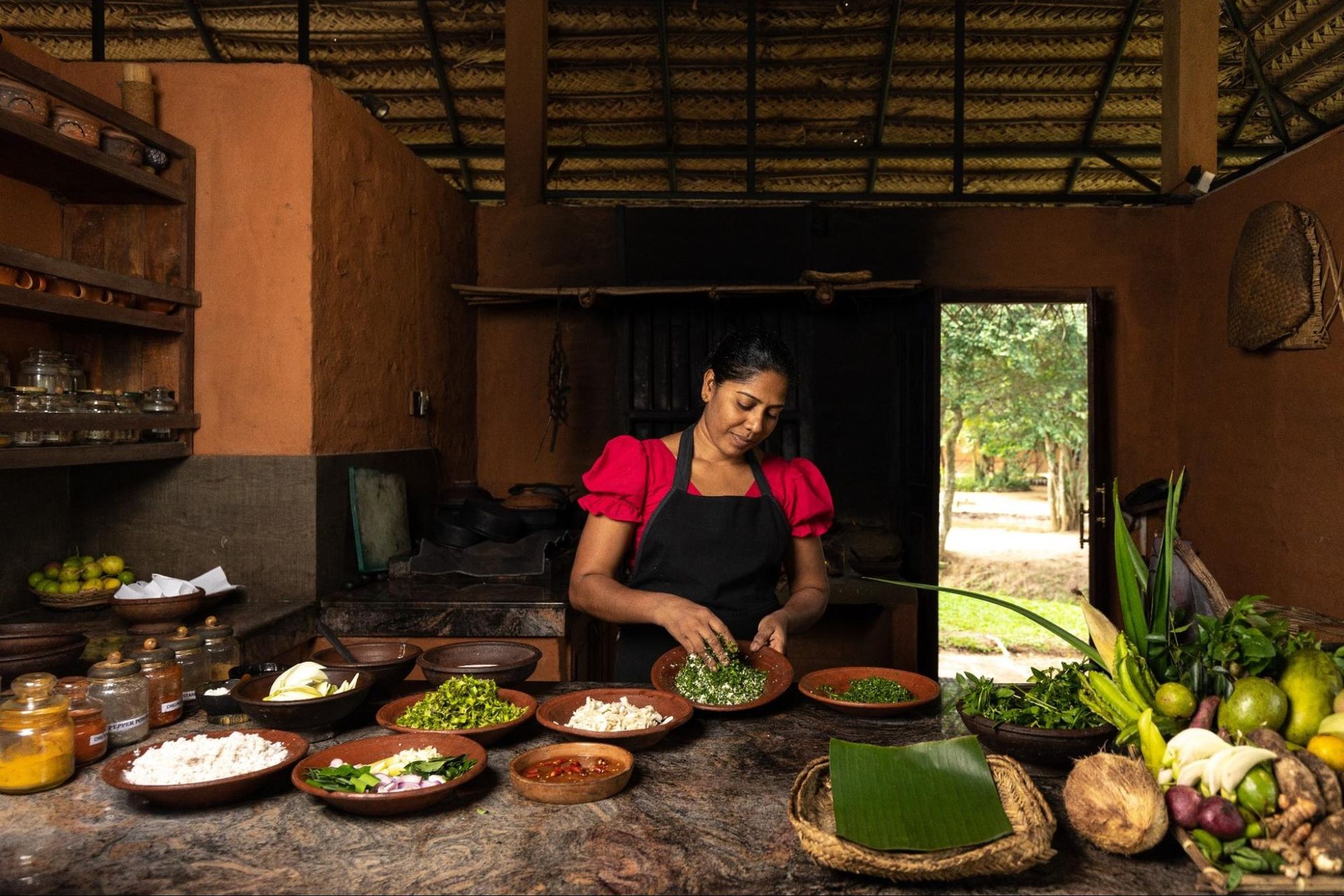
This traditional cooking demonstration begins in the garden, where you get to pick the fresh vegetables before cooking starts.
From there, it moves to a woodfire kitchen, where local village chefs guide the process step by step.
Learning Traditional Sri Lankan Cooking Methods:
Cooking takes place over open flames using methods followed in Sri Lankan homes.
You can observe:
- How spices are tempered
- When coconut milk is added
- How flavours develop during cooking
There is also an opportunity to take part and ask questions.
Sharing a Meal Prepared Together:
The session ends with a meal prepared during the demonstration.
Dining in the kitchen itself creates a more relaxed setting. After seeing how the dishes are made, the meal carries more meaning.
Why Does This Cooking Demonstration Matter?
For travellers exploring things to do around Sigiriya and Dambulla, this connects what you eat across the region with how it is prepared.
It gives context to what you’re eating, not just the taste on the plate.
You begin to see how meals are prepared from farm to plate, making the process just as meaningful as the meal itself. It’s something you can carry with you even after you return home.
Plan Your Stay Around Food, Not Just Sightseeing
Sri Lanka becomes easier to understand through its food.
From well-known classics to everyday meals, these dishes give a clear idea of the best Sri Lankan food you can try during your journey. What begins as unfamiliar gradually turns into something you recognise, like flavours, cooking methods, and meals that reflect everyday life.
In the Cultural Triangle, this connection becomes clearer. You are not only trying dishes but also seeing how they are prepared and where ingredients come from.
Staying near Sigiriya allows you to experience Sri Lankan food more closely, not just through restaurants but through how it is prepared and shared. At Aliya Resort & Spa, this connection becomes more natural, where meals are not separate from the experience but part of how you understand the place itself.
Blog
Related Articles