

June 26, 2026
Shipwreck Diving Near Pasikuda: What First-Time Divers Should Know

Pasikuda’s calm bay is often associated with swimming and shallow reef visits, but farther offshore lies a different side of the east coast. Historic wrecks near Pasikuda and Kayankerni give certified divers the chance to explore sites where marine life now moves through the remains of old vessels. As several wrecks sit at greater depths, choosing the right site depends on your certification, experience and the conditions on the day.
This guide explains the main wreck sites, the best time to dive, what level of experience you need, what to ask the dive operator, what to pack, and how to stay safe underwater. It is written for first-time wreck divers who want clear, practical advice before adding a dive trip to their Pasikuda holiday.
Why Pasikuda Is Linked to Wreck Diving
The waters near Pasikuda and Kayankerni are part of a rich marine region on Sri Lanka’s east coast. Kayankerni Marine Sanctuary is known for shallow coral gardens, deeper rocky reefs, sea anemones, soft corals, sponges, small caves, and reef fish.
Further offshore, divers can find historic wrecks resting on the seabed. The best-known sites include the SS British Sergeant and SS Lady McCallum. These wrecks are not only underwater attractions. They are also part of Sri Lanka’s wartime and maritime history.
One of the most interesting parts of the dive is seeing how the wrecks have gradually become part of the reef. Divers may see fish moving through broken steel structures, coral growth on old surfaces, and the quiet remains of vessels that have become part of the sea.
The Main Wreck Sites to Know
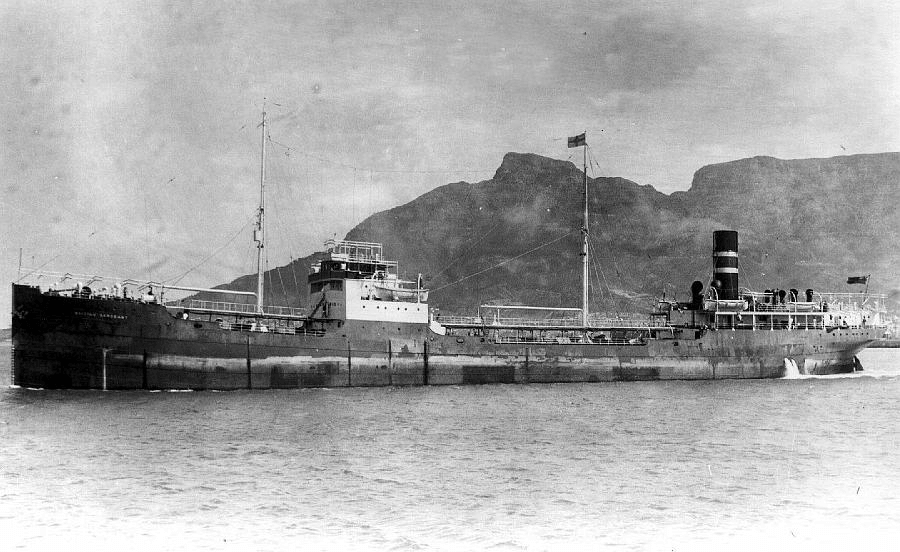
The SS British Sergeant is one of the most recognised wreck dives near Kayankerni. It lies about 7 km off Kayankerni at a depth of around 25 m. Some dive operators describe it as a World War II wreck, and it is usually more suitable for certified divers with enough confidence in open water.
The SS Lady McCallum lies just outside the protected marine zone at around 18 m. Because it is shallower than the SS British Sergeant, it may be more suitable for some first-time wreck divers, depending on sea conditions, certification, and the dive operator’s assessment.
There are also several shallower wrecks around Pasikuda, along with deeper sites such as a Catalina PBY-5A wreck at around 45 m. Deeper wrecks are not for beginners and should only be considered by divers with the right certification, training, and experience.
Do You Need Diving Experience for Wreck Diving?
Yes, for wreck diving, you should expect to need a recognised diving certification. A basic Open Water certification may be enough for some shallower sites, but deeper wrecks may require more experience or an Advanced Open Water level.
Before you book, ask the dive operator:
- What certification level is required?
- What is the expected depth of the dive?
- Is the dive suitable for a first-time wreck diver?
- Will you enter the wreck or only view it from the outside?
- What is the expected current and visibility?
- How many divers will be with each guide?
- Is all equipment included?
- What happens if sea conditions change?
First-time wreck divers should usually avoid entering a wreck. Swimming around the outside is safer and still gives a strong sense of the site. Wreck entry needs extra training because of risks such as low visibility, sharp metal, narrow spaces, and possible entanglement.
Best Time for Diving Near Pasikuda
The east coast diving season is generally linked to calmer seas and better visibility. Around Kayankerni, the diving season is usually from March to October. The better periods are often April to June and September to October.
This does not mean every day during those months will be suitable. Wind, rain, current, and swell can still affect conditions. Always check with the dive operator close to the date.
If diving is one of the main reasons for your trip, avoid leaving it until your final morning. Plan it early enough in your stay so you have another option if weather or sea conditions delay the trip.
What to Expect When Shipwreck Diving
Most dive trips begin in the morning, when sea conditions are often more suitable. You may start with paperwork, equipment fitting, a safety check, and a briefing from the instructor or dive master.
The briefing should cover the dive site, depth, expected time underwater, entry and exit method, hand signals, buddy checks, current, marine life, and emergency steps.
A wreck dive may include:
- Boat transfer to the site
- Equipment check before entering the water
- Descent with your guide or buddy
- Viewing the wreck from outside
- Slow movement around the structure
- Safety stop before surfacing
- Boat return and rest time
Do not rush. Wreck diving is best when approached calmly. Move slowly, watch your buoyancy, and avoid touching the wreck or marine life.
What to Pack for a Wreck Dive
Most dive operators provide major equipment such as tanks, BCD, regulator, weights, mask, fins, and wetsuit if needed. Still, it is useful to pack a few personal items.
Bring:
- Swimwear
- Towel
- Reef-safe sunscreen
- Reusable water bottle
- Dry bag
- Light cover-up for the boat
- Sunglasses
- Personal medication
- Dive certification card or digital proof
- Logbook, if you use one
If you have your own mask, bring it. A well-fitting mask can make the dive more comfortable, especially for new divers.
Avoid wearing loose jewellery or anything that may fall into the sea. Do not take anything from the wreck or reef.
Safety Tips for First-Time Wreck Divers
Safety should guide every part of the experience. The sea can change quickly, and wreck sites need more care than simple shallow reef sites.
Keep these tips in mind:
- Book with a licensed and experienced dive operator.
- Be honest about your certification and comfort level.
- Do not enter a wreck without proper training.
- Stay close to your guide and buddy.
- Keep good buoyancy control.
- Do not touch coral, wreck surfaces, or marine life.
- Watch your air often.
- Follow depth and time limits.
- Avoid alcohol before diving.
- Leave enough time before flying.
Many divers use a cautious 24-hour gap between their final dive and a flight. This is especially useful if you plan multiple dives or deeper dives during your stay.
Responsible Diving Around Wrecks and Reefs
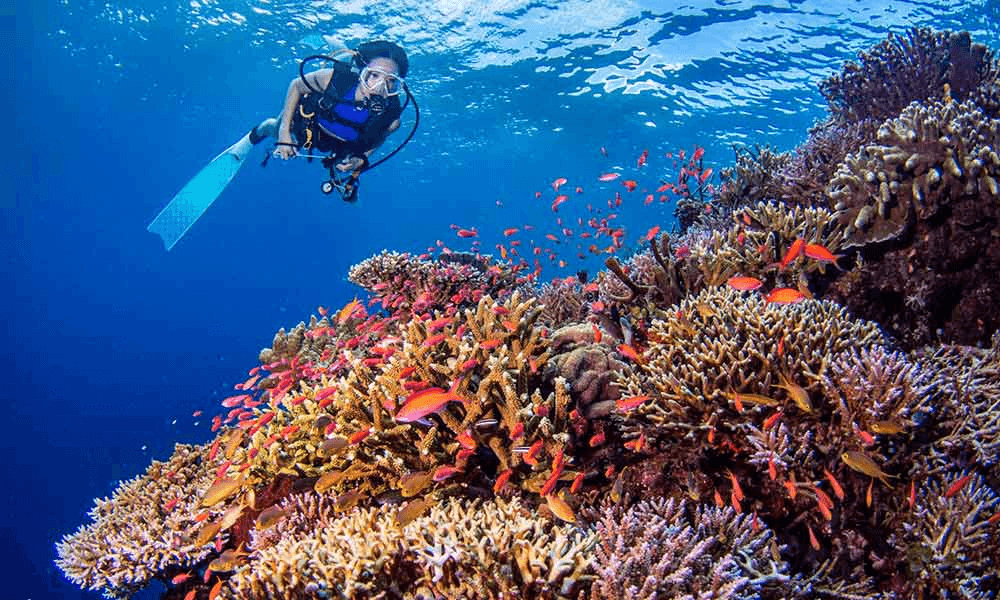
Historic wrecks and coral sites are fragile underwater environments, so good buoyancy and careful movement are essential. Keep a safe distance from the seabed and avoid touching coral, marine life or the wreck itself, as even accidental contact from a hand or fin can cause damage.
The same care applies when taking photographs. Do not chase fish, hold onto coral or move closer than your buoyancy skills safely allow for the sake of a picture. Avoid feeding marine life, take all waste back to shore and use reef-safe sunscreen where possible.
Responsible diving protects the reef and gives future visitors a better experience.
Who Should Try This Experience?
A wreck dive near Pasikuda may suit travellers who already have basic scuba training and want to add something more memorable to their beach stay.
It may be a good fit if you:
- Are already a certified diver
- Feel comfortable in open water
- Can manage buoyancy well
- Want a mix of marine life and history
- Are happy to follow strict safety guidance
- Prefer guided, planned activities
It may not be the right choice if you are not certified, nervous in deep water, unable to equalise comfortably, or looking for a casual snorkelling-style activity. In that case, a beginner course, shallow reef dive, or snorkelling trip may be a better first step.
How to Add Shipwreck Diving to a Pasikuda Holiday
If shipwreck diving near Pasikuda is part of your trip, give yourself enough time. Arrive at least a day before diving if possible, so you are rested and not rushing after travel.
A simple plan could look like this:
Day 1: Arrive in Pasikuda, rest by the beach, and confirm dive conditions.
Day 2: Go diving in the morning, rest in the afternoon, and keep the evening light.
Day 3: Add a softer activity such as snorkelling, a lagoon visit, or a quiet beach day.
If your group includes both divers and non-divers, the morning can still work well for everyone. Certified divers can head out to the wreck sites, while others enjoy the beach, spa or a boat trip before meeting up again later in the day.
Plan Your Pasikuda Stay Around the Sea
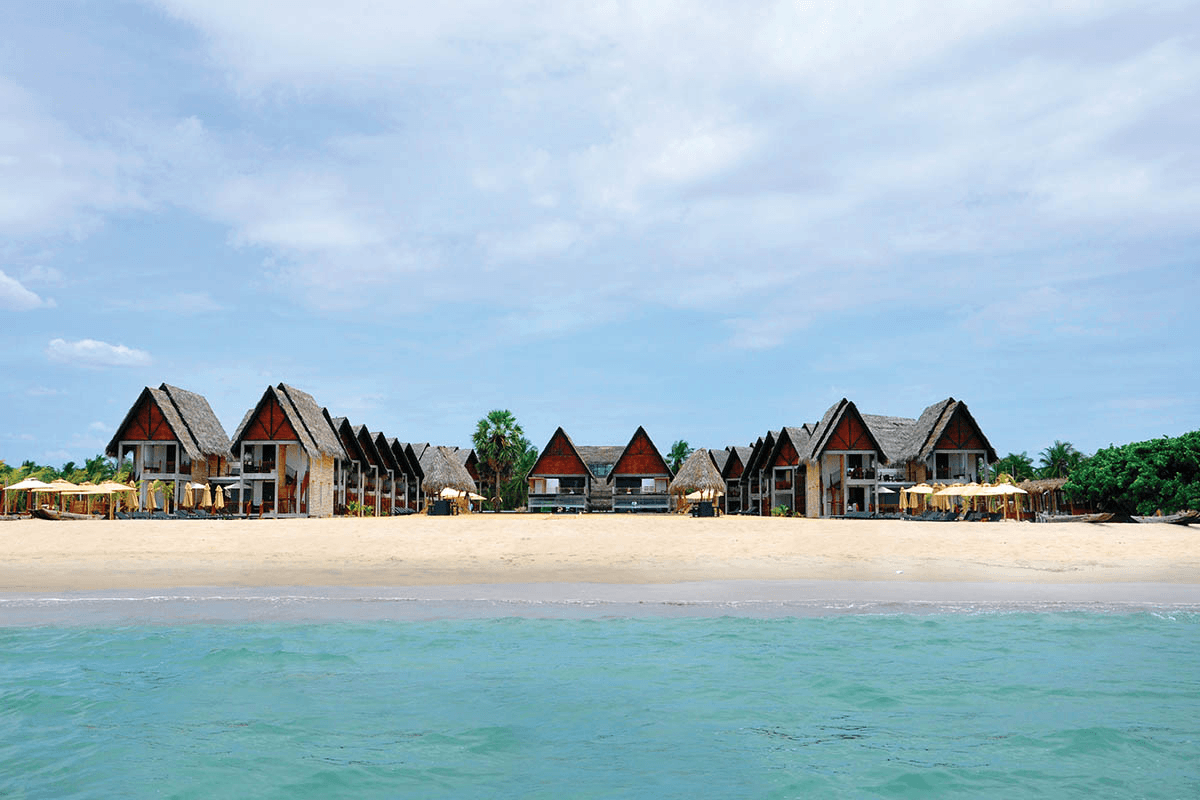
For certified divers, Pasikuda can be a useful east coast base during the right season, especially when planning dives around Kayankerni and nearby wreck sites. Since wreck diving depends on certification level, depth, visibility, sea conditions, and operator guidance, it is worth arranging your dives early in the stay rather than leaving them to the last day.
For divers looking for a hotel in Pasikuda close to the sea, Maalu Maalu Resort & Spa offers a relaxed beachfront base inspired by a traditional Sri Lankan fishing village. The resort’s direct beach access, coastal design, seafood dining, Ayurveda and wellness options, and connection to ocean-based experiences make it a suitable place to return to after a morning dive. It works well for travellers who want their trip built around the east coast’s marine setting, with time to rest between planned dive days.
Blog
Related Articles