


Galle Fort rewards a plan, or at least a decision about whether you want one. A Galle Fort guided tour gives you context and a route in one package; going alone gives you the freedom to stop wherever looks interesting. Parangi offers both, guided and self-guided, and which one suits you depends less on how much time you have than on how you actually like to explore.
Why Choose a Guided Tour of Galle Fort?

Galle Fort’s ramparts and streets carry centuries of layered history: Portuguese arrival on the south coast, Dutch colonial rule, and the trading routes that shaped this stretch of coastline long before it became a place people visit for its charm. A guide’s real value is turning that layered history into something you can actually follow while you’re standing in it, rather than piecing it together from a plaque here and there. In practical terms, that usually means:
- Context as you walk, rather than researched afterwards: why a building has Dutch gables, why the ramparts curve the way they do, what the fort’s lighthouse actually does.
- A sense of the fort’s rhythm, which ramparts catch the best light at which time of day, and which side streets are worth a detour.
- An efficient route, moving through the busier stretches without losing half the morning working it out yourself.
- Answers on the spot, so a question that comes up mid-walk gets settled there and then, rather than saved for a search later.
For a first visit, or a visit with limited time, that local knowledge often does more for the experience than any amount of prior reading would.
How to Explore Galle Fort on Your Own

A self-guided visit trades that context for pace. The fort is small enough to explore entirely on foot and simple enough to navigate without getting properly lost, so there’s little real risk in setting off without a fixed plan. What that freedom generally looks like:
- No fixed schedule, so a shop that looks interesting gets a proper look, and a café gets an unplanned stop, without needing to catch up with a group afterwards.
- Photography without a countdown, useful if you want to wait for the right light or a street to clear before moving on.
- Your own pauses built in, a coffee somewhere shaded, a slower loop of the ramparts near sunset, whatever the day happens to call for.
- Revisiting on your own terms, ideal if you’ve been before and want to spend longer at a corner that stood out last time rather than covering new ground.
Going alone does ask a little more of you beforehand. Without a guide narrating what you’re looking at, a bit of reading in advance, on the fort’s Dutch and Portuguese-era buildings, the lighthouse, the old Dutch Reformed Church, makes a self-guided walk considerably richer than wandering in cold.
What Either Route Usually Takes In
Whether you end up with a guide or not, most visits to the fort circle around the same handful of landmarks, it’s simply a question of how they’re strung together:
- The Old Gate and ramparts, the entry point most visitors use, and the obvious place to start a walk in either direction along the fort walls.
- The lighthouse, a short walk along the southern ramparts, and one of the more photographed points on the whole circuit.
- The Dutch Reformed Church, a quieter, shaded stop with genuine colonial-era history, easy to walk past without a guide pointing it out.
- The old streets behind the ramparts, lined with boutique shops, cafés, and galleries housed in converted colonial buildings, better suited to unhurried browsing than a fixed tour schedule.
- Flag Rock, at the fort’s southern tip, a good vantage point over the ocean and a natural place to pause regardless of which way you’re exploring.
A guide will typically link these points into one coherent walk with context along the way; going alone, they work just as well as a loose list to work through in whatever order the day suggests.
Which Suits You?
A rough way to decide between the two:
- Choose guided if: it’s your first visit, you’re short on time, or you want the fort’s Portuguese and Dutch colonial history explained as you walk rather than researched afterwards.
- Choose self-guided if: you’ve been before, you’d rather browse shops and cafés at your own pace, or you’re mainly there for photography and want to linger without a schedule.
- Travelling with children: a guide’s storytelling can hold younger attention better than a self-directed wander, since there’s a narrative to follow rather than buildings to interpret alone.
- Travelling as a couple or solo: self-guided often suits better here, since there’s no group pace to keep up with and no reason to rush a view or a café stop.
- Do both if you can: a guided walk in the morning to get orientated, followed by a self-guided return later in the day, or on a different visit, to revisit whatever caught your eye the first time round.
Neither option is the “correct” way to see Galle Fort. It’s simply a question of whether you’d rather have the history handed to you as you go, or piece it together yourself at your own pace.
Galle Fort From a Weligama Base
Staying at a Weligama beach hotel like Parangi puts Galle Fort within easy reach of a beachfront stay, without needing to base yourself in Galle itself. That matters more than it might seem: splitting a day between the fort’s cobbled streets and a return to the beach by afternoon is a far easier rhythm than trying to fit a whole holiday around a single town.
It also fits neatly with Parangi’s own spice-trader and explorer concept: the same Portuguese-era history that shaped Galle Fort’s walls is part of the story behind Parangi’s own design and name, so a morning spent among the fort’s ramparts adds real context to the property you’re coming back to.
Chart Your Own Course
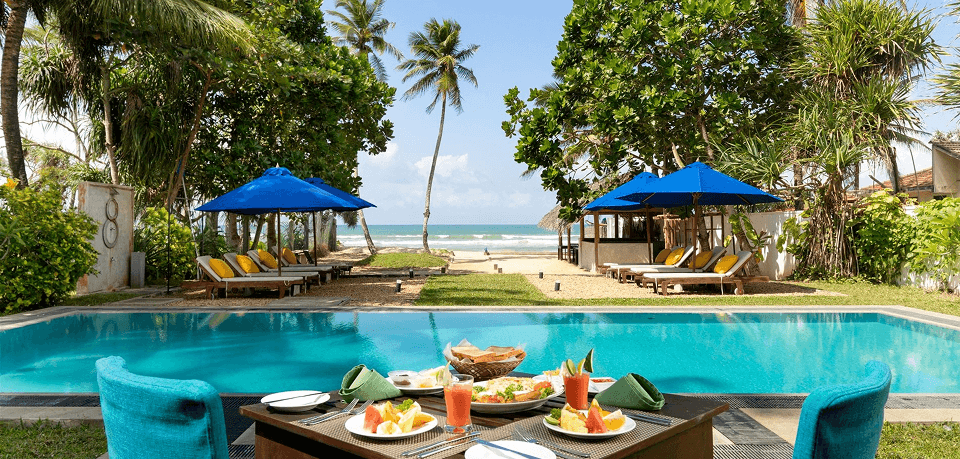
However you’d rather see Galle Fort, guided, alone, or a bit of both, it’s an easy addition to a stay on Weligama Bay. If you’d like help arranging a Galle Fort guided tour, or just want pointers on how to spend a self-guided day there, we’re happy to help.
Blog
Related Articles