

August 12, 2026
De-Seasonalising Sri Lanka: Spreading Demand without Spreading Damage

For years, Sri Lanka’s tourism story has been closely tied to its seasons. The November to April period has traditionally been seen as the country’s main tourism season, bringing large numbers of visitors to the southern and western parts of the island. While this has helped build the tourism industry, it has also created a familiar pattern: some destinations experience intense pressure during peak periods, while other parts of the country remain relatively quiet.
But Sri Lanka is much more than a destination with one good season.
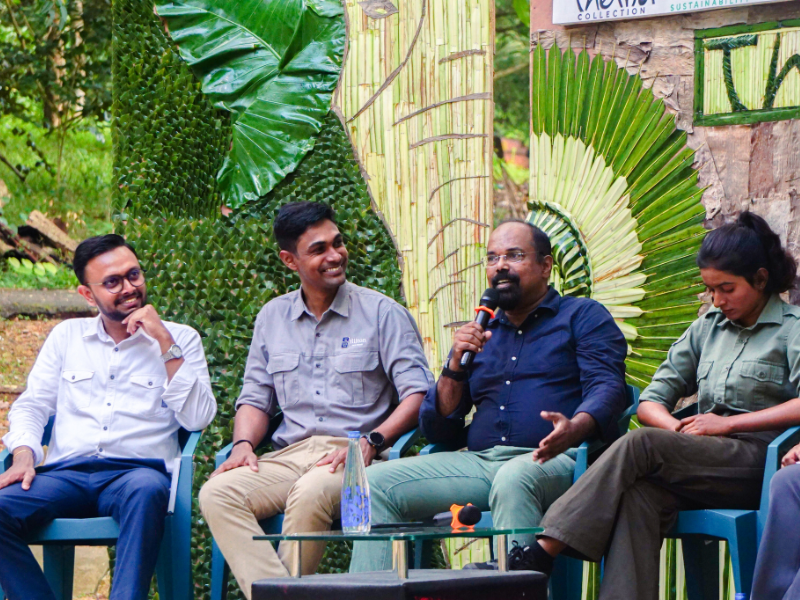
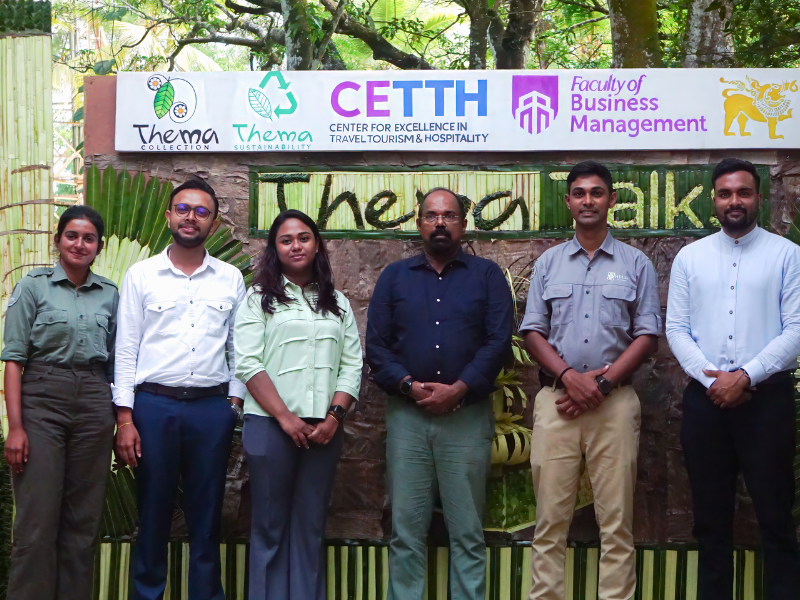
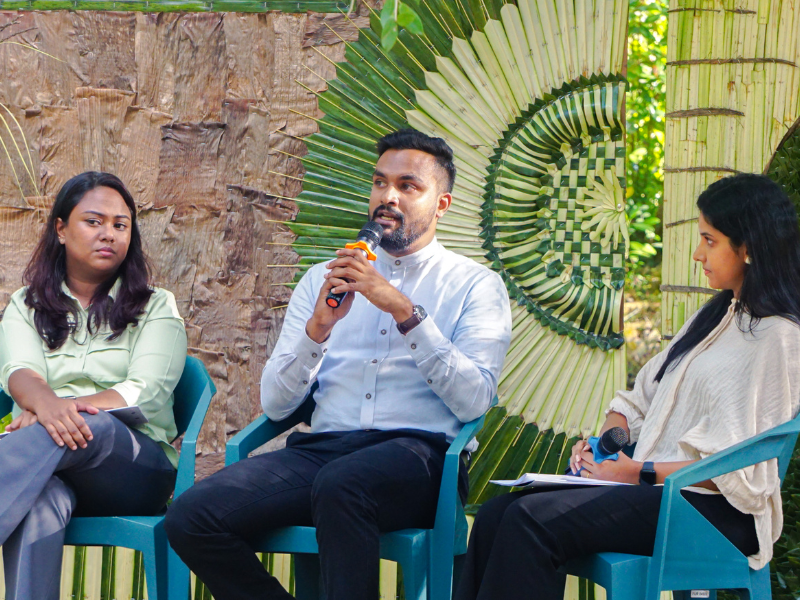
This was at the heart of the sixth session of Thema Talks Season 2, held in collaboration with SLTC – Sri Lanka Technology Campus, under the theme “De-Seasonalising Sri Lanka: Spreading Demand without Spreading Damage.” Thema Talks is a platform created to bring together voices from across the tourism industry to discuss ideas, challenges and opportunities that can shape a more thoughtful future for tourism in Sri Lanka. This session focused on one of the industry’s key questions: how can tourism demand be distributed across different regions and seasons without simply transferring pressure from one destination to another?
Bringing together perspectives from tourism academia, travel, hospitality and wildlife, the discussion explored how Sri Lanka can make better use of the diversity it already has.
The conversation began with how tourism itself has changed. Professor Iraj Ratnayake, Professor in Tourism at Sabaragamuwa University of Sri Lanka, explained that Sri Lanka has gradually moved from a destination-driven model towards an experience-driven one, alongside a shift from mass tourism towards special-interest travel. Today’s travellers are increasingly looking for experiences rather than simply visiting a list of well-known destinations. This presents an opportunity for Sri Lanka. Instead of repeatedly directing visitors towards the same familiar places, the country can respond to changing traveller motivations and encourage exploration beyond the traditional tourism route.
Yet one of the challenges lies in how Sri Lanka is perceived internationally. Mizra Dane, Manager – Business Development at Exemplary Voyages, noted that Sri Lanka is still often understood as a destination with one main travel season. Although different parts of the island experience favourable conditions at different times of the year, this can make Sri Lanka more difficult for overseas tour operators to understand and sell. The answer may therefore be less about selling the “off-season” and more about selling what each season has to offer. Culture, wellness, nature, adventure and culinary experiences can all become reasons to travel at different times of the year.
Daham Rajasekara, Director / General Manager at Connaissance De Ceylan, spoke about the need to think beyond the classic tourism route. Destinations such as Gal Oya and Knuckles, along with experiences connected to culture, wellness, culinary tourism, nature and adventure, offer opportunities to introduce travellers to parts of Sri Lanka that remain less explored. The domestic market also presents an opportunity, particularly as local travellers have continued to support tourism during periods when international demand has been weaker. But spreading demand is not simply about finding more places to send visitors. It also means understanding what happens when too many visitors are concentrated in one place.
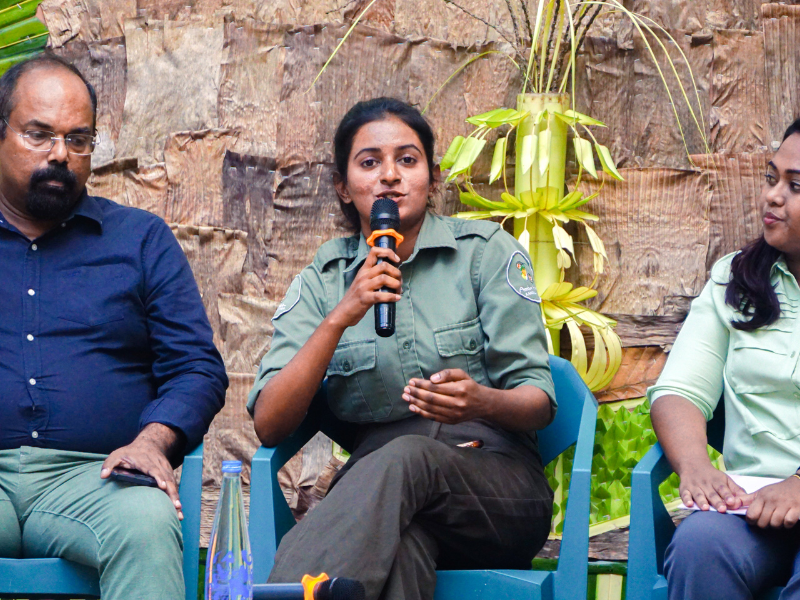
The discussion then turned towards wildlife and the importance of understanding seasonality from an ecological perspective. Chathura Gamage, Senior Ranger Specialist at Hilton Yala Resort, spoke about how animals in the dry zone respond to changing conditions throughout the year. Changes in rainfall, water availability and food influence where animals move and how they behave, creating different wildlife experiences across seasons.
Building on this, Sithumi Devindi, Senior Naturalist at Amba Yaalu – Kandalama, highlighted the importance of understanding these seasonal changes and communicating them as part of nature-based experiences. Rather than promoting one season as the “best” time for wildlife, these natural variations can become part of the experience itself.
The conversation also explored how technology and data can help distribute tourism more effectively. Ramitha Pathirana, Lecturer and Head of the Department of Tourism Management at SLTC, highlighted the value of using data to understand visitor movements, preferences and destination demand. Better use of technology and timely information can help identify overcrowding, anticipate demand and guide visitors towards less-pressured destinations.
The discussion also reinforced the need for stronger connections between research, policy and business practice, while recognising the role of local communities in ensuring tourism development remains suited to the natural and cultural settings in which it takes place.
Ultimately, Sri Lanka may not need to create an entirely new tourism product to become a year-round destination. Much of what is needed already exists. The island has different climate zones, landscapes, ecosystems, cultures and experiences spread across its regions. The challenge is to connect these possibilities, communicate them better and distribute tourism more thoughtfully.
De-seasonalising Sri Lanka is not about making every destination busy throughout the year. It is about spreading opportunity without spreading the damage that comes with unchecked concentration.
Blog
Related Articles