

At Wild Glamping Gal Oya, we arrange the Gal Oya boat safari as a guided wildlife experience across Senanayake Samudraya, the large reservoir within Gal Oya National Park. Our naturalist leads the outing, helps guests recognise wildlife and explains how the forest, islands and water support the animals that live here.
The full experience lasts around four hours. This includes approximately two and a half hours on the boat and about one and a half hours for travel to and from the boarding point. Park tickets, a life jacket and a snack are included, while transport can be arranged as a supplement.
Wildlife may appear far from the boat or for only a short time. Having a naturalist with you helps you understand where to look, which sounds to listen for and why the boat may wait quietly in one place.
Before Leaving Wild Glamping Gal Oya
The team will confirm the departure time and advise you about the weather before the outing. Once transport is arranged through the property, the journey to the boarding point and the park preparations are handled as part of the plan.
Before leaving:
- Be ready at the time given by the team
- Apply sunscreen and insect repellent
- Use the bathroom before the road journey
- Secure cameras, phones and binoculars
- Tell the team about mobility or medical concerns
- Carry a raincoat when advised
Weather, water conditions and park operations can sometimes affect the schedule. The information given on the day will be more useful than relying on a fixed time planned well in advance.
What Happens on the Boat
After everyone is seated and wearing a life jacket, the boat moves across open water towards forested banks, islands and quieter sections of the reservoir. The boat operator manages the route while the naturalist watches for animal movement and bird activity.
The boat may continue steadily for some time before slowing near a possible sighting. Patience matters. A quiet bank may suddenly reveal a crocodile, deer or elephant, while birds can appear throughout the journey.
For a safer and more comfortable trip:
- Remain seated while the boat is moving
- Keep bags and loose items secure
- Use straps for cameras and binoculars
- Keep hands inside the boat
- Follow the naturalist and boat operator
- Store valuables in a small dry bag
Image suggestion: Safari boat passing a forested island in Gal Oya
Wildlife You May See
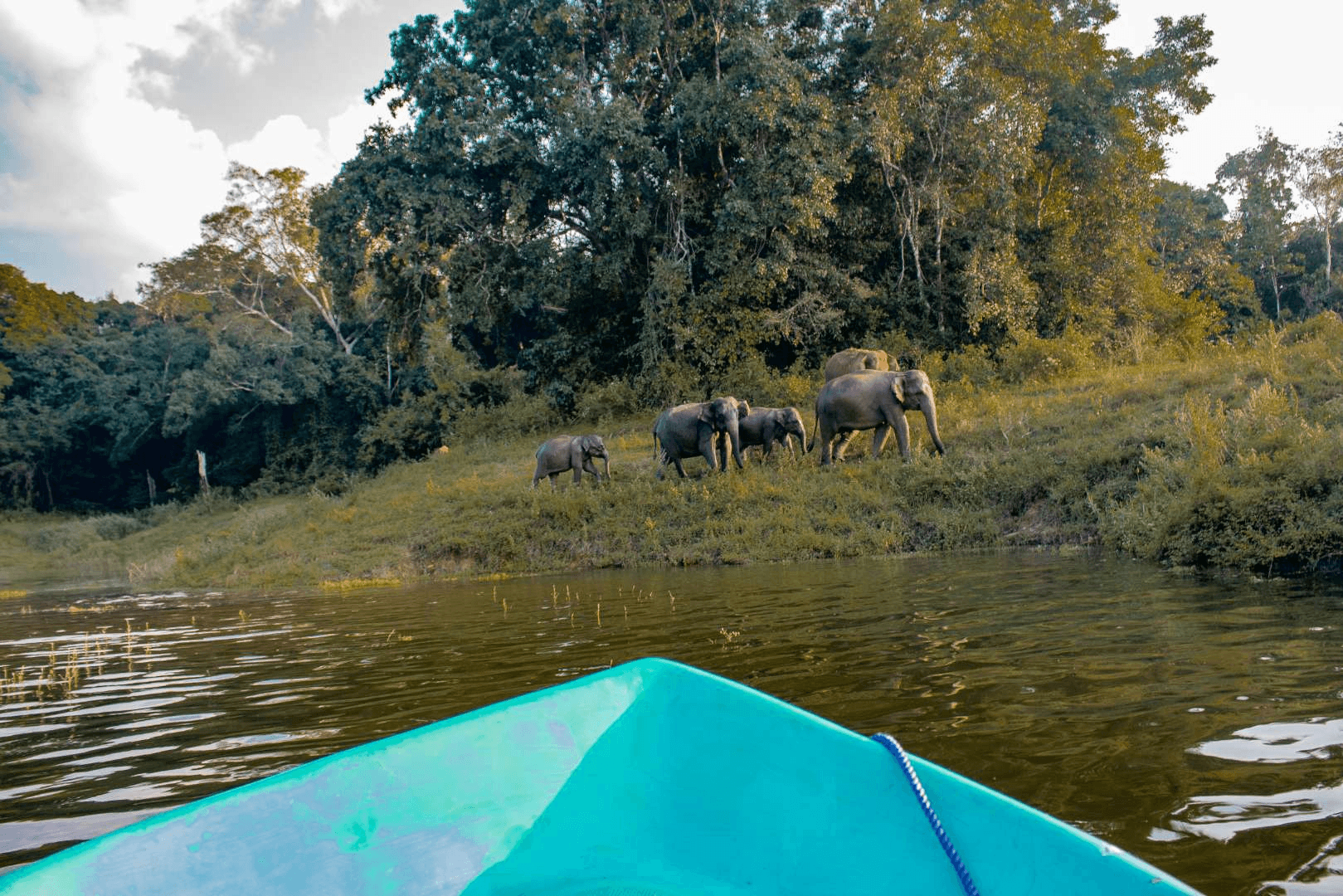
Elephants are closely linked with Gal Oya National Park. They may come to the banks to drink, feed or bathe. On rare occasions, elephants may swim between the reservoir’s islands. This is one of Gal Oya’s most remarkable wildlife behaviours, but it is uncommon and depends entirely on the animals’ natural movements, so it should never be expected or promised.
This behaviour cannot be timed or promised. Elephant movement changes with food, water levels, weather and human disturbance. The boat must keep enough distance for animals to continue moving naturally.
Other possible sightings include:
- Mugger crocodiles
- Water buffalo
- Deer near the forest edge
- Monkeys in the trees
- Eagles and kites
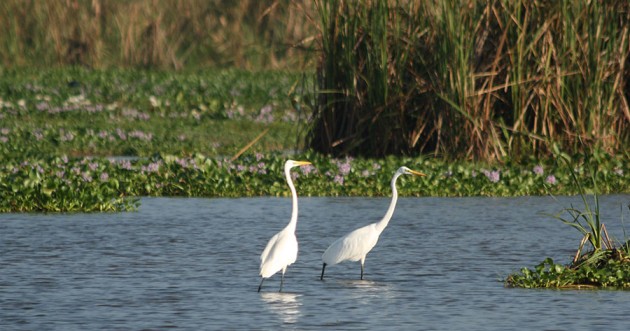
- Cormorants, herons and kingfishers
Birds are often the most regular part of the trip. The naturalist may notice a call, flight pattern or movement near the bank before anyone else sees the bird.
What the Naturalist Adds to the Experience
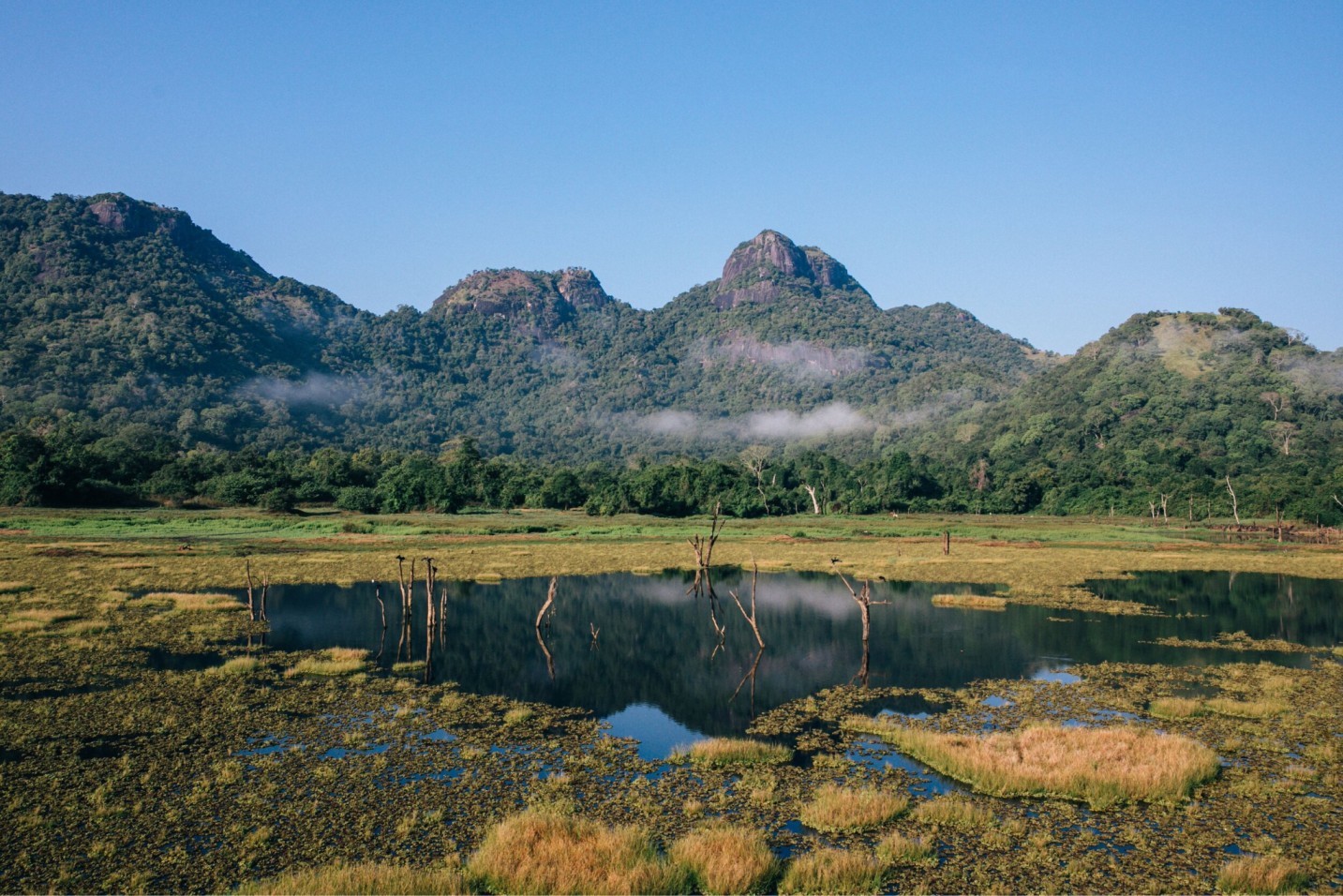
The naturalist does more than identify animals. They help guests understand why wildlife uses certain parts of the reservoir and how conditions shape what may be seen.
During the trip, the naturalist may explain:
- Why birds gather on exposed branches
- How crocodiles use warm banks and shallow water
- Where elephants may approach the shore
- How rainfall changes the reservoir
- Which sounds come from birds or mammals
- Why the boat must keep its distance
Guests are welcome to ask about recent observations. The answers will be based on current conditions rather than a fixed list of animals.
Morning and Afternoon Trips
Boat times depend on availability, park operations and weather. The team will let you know which departure suits your stay.
Morning trips may offer cooler air, gentle light and more bird calls. Afternoon trips may bring warmer light later in the day and animals moving towards water after the hotter hours.
Neither time guarantees better sightings. Recent observations and conditions on the day matter more than a general rule.
What to Wear
The experience guidance recommends light, airy clothing in neutral shades. Long sleeves and lightweight trousers can help with sun and insects.
Wear:
- Neutral-coloured clothing
- A secure hat
- Sunglasses
- Comfortable shoes for boarding
- A light raincoat when needed
Avoid strong perfume, bright accessories and loose hats that may blow into the water.
Image suggestion: Neutral clothing, hat, binoculars and raincoat prepared for the trip
What to Bring
Keep your bag small. Useful items include:
- Sunscreen
- Insect repellent
- Drinking water
- Binoculars
- Camera or phone with a strap
- Personal medication
- A small towel
- A dry bag
A snack is included. Please tell the property in advance about allergies or dietary needs.
Safety and Accessibility
The activity is listed as easy, but boarding may involve steps, wet surfaces or uneven ground. Let the team know before the trip about mobility concerns, pregnancy, medical conditions or a fear of deep water.
During the ride:
- Wear the life jacket as instructed
- Stay seated while moving
- Do not lean over the side
- Keep children beside an adult
- Follow instructions immediately
- Do not stand unless asked
The outing may be changed or cancelled if wind, rain or water conditions make it unsafe.
Responsible Wildlife Watching
The reservoir is part of the animals’ habitat. The aim is to watch without changing their behaviour.
Please:
- Speak softly near animals
- Never feed wildlife
- Do not request a closer approach
- Avoid flash photography
- Keep all rubbish with you
- Do not play music
- Accept distant sightings
- Follow the naturalist’s advice
A calm animal seen from farther away is better than a closer sighting that causes it to move or show distress.
Photography from the Boat
A moving boat can make photography difficult. Keep your camera settings simple and protect equipment from water.
Helpful tips include:
- Use a faster shutter speed for moving animals
- Keep the camera strap attached
- Use short bursts
- Take wide photographs of the reservoir too
- Avoid changing lenses while moving
It is also worth spending part of the trip without a camera. The calls from the shore, movement of the water and scale of the reservoir are easier to appreciate when you are not looking through a screen.
Planning the Rest of Your Stay
The Gal Oya boat safari takes up around half a day. After a morning departure, lunch and rest at the camp may be enough for the afternoon. After an afternoon trip, keep the evening light.
Guests staying for two or three nights can place other experiences on separate days. Options offered by Wild Glamping Gal Oya include:
- Nilgala jeep safari
- Walk to Kiri Oruwa Lake
- Monkey Mountain trek
- Farm visit
- Village cycling
- Rajagala monastery trek
This gives you time to experience the reservoir, forest, village and farm without rushing between activities.
Plan a Gal Oya Boat Safari from Wild Glamping Gal Oya
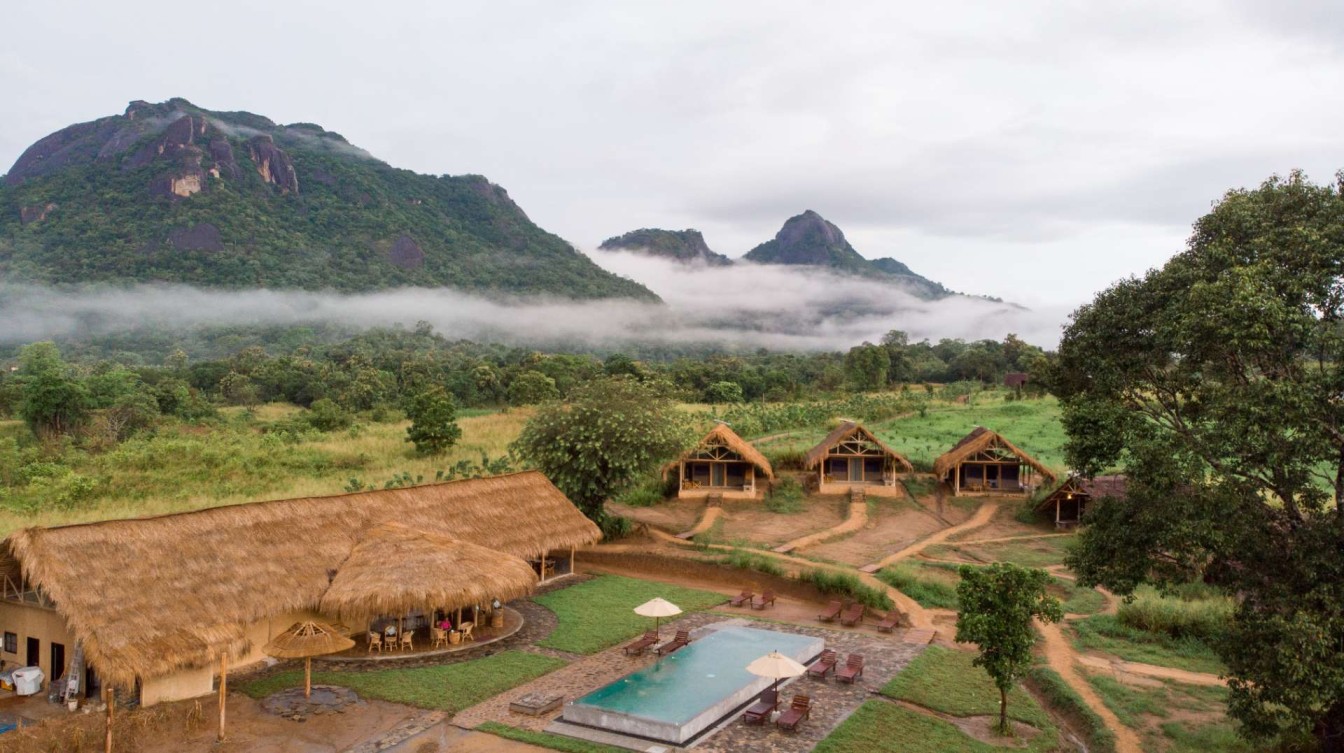
Wild Glamping Gal Oya is a hotel centred on guided nature experiences. The property offers tented accommodation on a 24-acre farm in Rathugala, where many of the vegetables used for guest meals are grown.
Arranging the Gal Oya boat safari through the property brings the park arrangements, safety equipment and naturalist support into one plan. You can also add a Nilgala safari, Kiri Oruwa Lake walk, farm visit or another guided activity during a longer stay.
Explore the accommodation and current offers, or contact the Wild Glamping Gal Oya team to plan enough time for the reservoir and surrounding forests.
Blog
Related Articles