

June 17, 2026
What Makes Ceylon Tea So Special? 5 Reasons Sri Lanka’s Tea Is World Famous

Ceylon tea is known for its flavour and quality. Many travellers recognise the name on tea packets, yet few know why it tastes different from other teas.
The answer lies in Sri Lanka’s hill country climate, traditional harvesting methods, and strict quality standards. Together, these factors give Ceylon tea the taste and reputation it holds today.
Learning these reasons gives you a deeper appreciation of the landscapes and traditions behind the tea you encounter when visiting Sri Lanka.
Why Does Ceylon Tea Stand Out?
Several natural and traditional factors contribute to the distinctive character of Ceylon tea.
1. Sri Lanka’s Highland Climate

Most Ceylon tea grows in Sri Lanka’s central highlands. These regions provide natural conditions that help tea plants develop flavour.
Typical conditions include:
- Cool temperatures
- Frequent mountain mist
- Regular rainfall
- Rich soil
Tea plants grow slowly in this environment. This slower growth allows the leaves to develop a deep fragrance and taste.
2. High-Elevation Tea Gardens
Sri Lanka’s tea estates sit at different elevations across the hill country.
Tea grown at higher elevations usually produces:
- Lighter flavour
- Brighter colour
- Fragrant aroma
Tea from lower regions often creates a stronger brew. This variation gives Sri Lankan tea a wide range of flavour profiles.
3. Traditional Hand-Picked Harvesting

Tea leaves in Sri Lanka are still mainly picked by hand.
Workers follow a long-standing rule called “two leaves and a bud.” Only the youngest leaves and new buds are selected for tea production.
This careful harvesting method helps maintain the high quality that Ceylon tea is known for.
Travellers visiting the hill country can often see this process taking place in the tea estates.
4. Careful Tea-Processing Methods
Once the leaves are picked, they pass through several stages before becoming the tea people drink.
The process usually includes:
- Withering – Leaves are spread out to reduce moisture
- Rolling – Natural juices are released
- Oxidising – Flavour and colour develop
- Drying – Heat stops the oxidation process
Each stage influences the final flavour of the tea.
5. One of the Cleanest Teas in the World
Another reason Ceylon tea is highly respected is its purity.
Sri Lanka maintains strict quality controls for tea cultivation. These regulations help limit pesticide use and protect the quality of the leaves.
Because of these standards, Ceylon tea is widely recognised as one of the cleanest teas in the world.
What Does Ceylon Tea Taste Like?
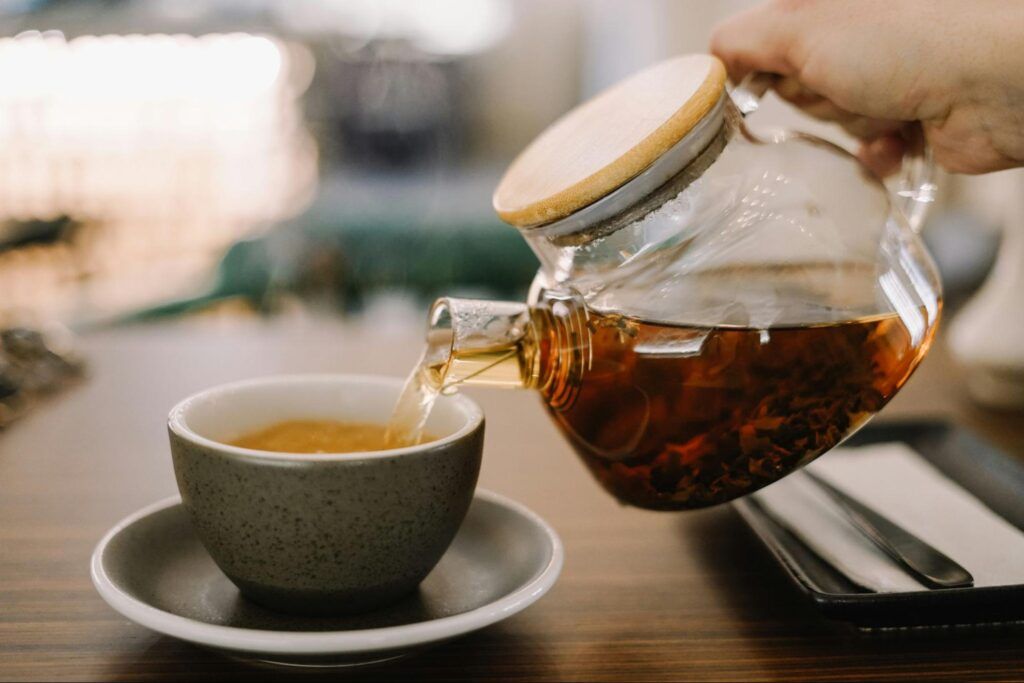
Ceylon tea is known for its bright, refreshing character. When brewed, it produces a clear amber colour and a clean finish.
Compared with heavier teas, Ceylon tea usually feels lighter and more balanced. Many tea drinkers enjoy it because it is easy to drink at any time of the day.
Depending on the region where it is grown, the flavour may include subtle notes such as:
- Light citrus tones
- Gentle floral hints
- A crisp, brisk finish
Because of this balance of flavour, colour, and aroma, Ceylon tea remains popular with tea drinkers across many countries.
Mandaramnuwara: Stay in A Quiet Place to Experience Ceylon Tea in Sri Lanka
While places like Nuwara Eliya attract many visitors, quieter valleys remain less explored.
One such place is Mandaramnuwara, a remote village surrounded by tea estates and forested hills.
Because it sits away from busy towns, the valley offers a calm way to experience Sri Lanka’s tea country. Travellers searching for hotels in Mandaramnuwara will find a peaceful setting with views across tea fields and surrounding mountains.
Experience Tea Culture at Tea & Experience Factory

Travellers interested in learning more about Ceylon tea can stay at the Tea & Experience Factory in Mandaramnuwara, surrounded by mountain ranges and tea-covered hills.
This boutique hotel is located inside a restored tea factory. A scaled-down section of the factory still operates today, allowing guests to observe traditional tea-making methods in the same building where tea was once produced more than a century ago.
Guests can also take part in an interactive Ceylon tea experience, where the processes and traditions described above can be seen in practice. This includes:
- Plucking fresh leaves from nearby estates, guided by local staff who demonstrate traditional harvesting techniques such as selecting two leaves and a bud.
- Watching traditional rolling and drying methods within the working section of the factory. This provides a closer look at how tea is processed.
- Learning how tea develops its flavour through guided explanations of each stage, from leaf to final brew.
The surrounding valley also offers several things to do in Mandaramnuwara, including nature walks through tea estates and forested hills.
Enjoy the Story Behind Every Cup
Ceylon tea reflects Sri Lanka’s climate, the skill of tea pluckers, and more than a century of cultivation.
Travelling through the island’s tea country offers a closer look at the landscapes where this tea is grown. In quiet valleys such as Mandaramnuwara, the story of Ceylon tea continues every day among the hills.
To experience this heritage in person, travellers can stay at the Tea & Experience Factory, a unique tea factory hotel in Mandaramnuwara. Contact the hotel to plan your visit and discover Sri Lanka’s tea country up close.
Blog
Related Articles