


August 31, 2026
What Makes East Coast Fish Curry Different in Sri Lanka

Order a fish curry in Colombo, Galle, or the south coast, and you’ll get some version of the same thing: coconut milk, a gentle heat, a familiar sweetness underneath the spice. Order one in Batticaloa and you’ll get something else entirely. East coast fish curry isn’t a regional variation on Sri Lanka’s national dish. It’s closer to its own tradition, and once you know what to look for, the difference is obvious.
A Different Spice Cupboard Entirely
The south and west coasts lean on coconut milk to carry their curries, rich, rounded, a little sweet. Batticaloa’s Tamil culinary tradition works from a drier base: dried chilli, tamarind, and fenugreek doing the work coconut milk does elsewhere, with fennel and mustard seed adding another layer most southern kitchens don’t reach for. Centuries of Portuguese, Dutch, and British trading influence have layered onto that Tamil-Hindu foundation too, adding preparations that don’t show up further north in Jaffna or further south in Colombo.
The result is a curry that’s sharper and more sour than what most visitors expect, built to cut through the richness of the seafood rather than wrap around it.
East Coast Fish Curry: What Actually Goes Into It
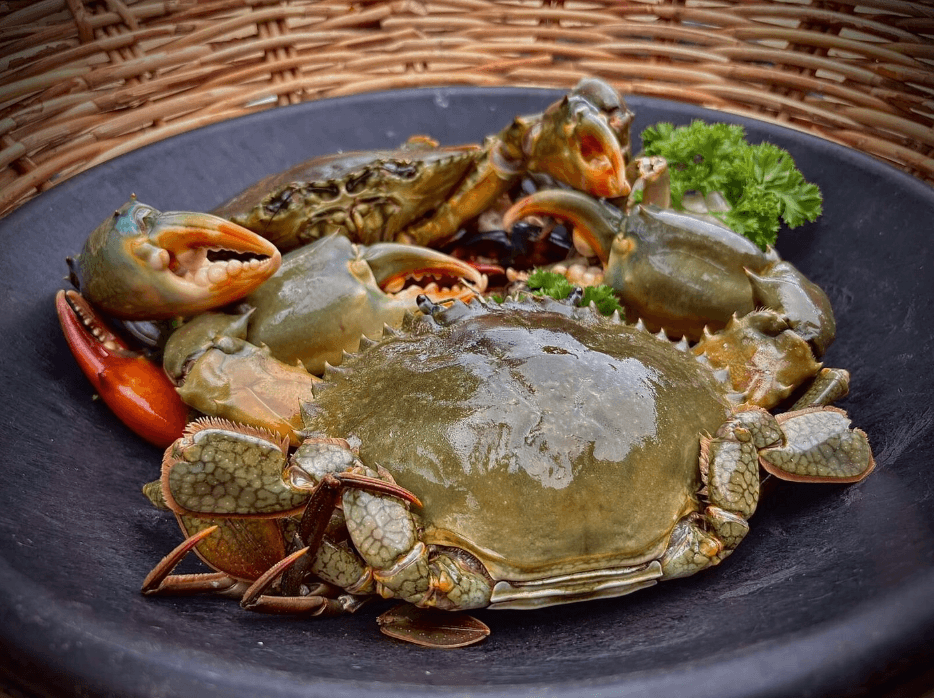
A few dishes carry most of the region’s character. Batticaloa’s lagoon crab curry is the clearest example: local crab cooked in a tamarind and dried chilli gravy, drier and more pungent than the creamy versions served in Colombo hotel kitchens, and distinct even from Jaffna’s fiercer crab tradition further north. Kool, a fiery seafood broth built from crab, prawns, and local greens, is the dish locals point to first when asked what actually defines Batticaloa cooking.
The prawns themselves are part of the story too. Lagoon prawns, drawn from the brackish water where the Batticaloa Lagoon meets the sea, grow larger and sweeter than the sea prawns used further along the coast. Around the seafood, a Tamil rice and curry spread typically leans harder on spice than its Colombo equivalent, less coconut milk carrying the dish, more dried chilli and tamarind doing the work instead, jackfruit, drumstick, raw banana, and bitter gourd sitting alongside lentil dhal and coconut sambol.
Why the Lagoon Matters as Much as the Recipe
Most coastal restaurants claim fresh seafood. On this stretch of coast, it’s a little more literal than usual. The Batticaloa Lagoon supplies fish, crab, and prawns directly to local restaurants and households, which is part of why the flavour profile here holds up: the seafood itself is caught close enough to reach a kitchen within hours, not days.
Learning to Cook It Yourself
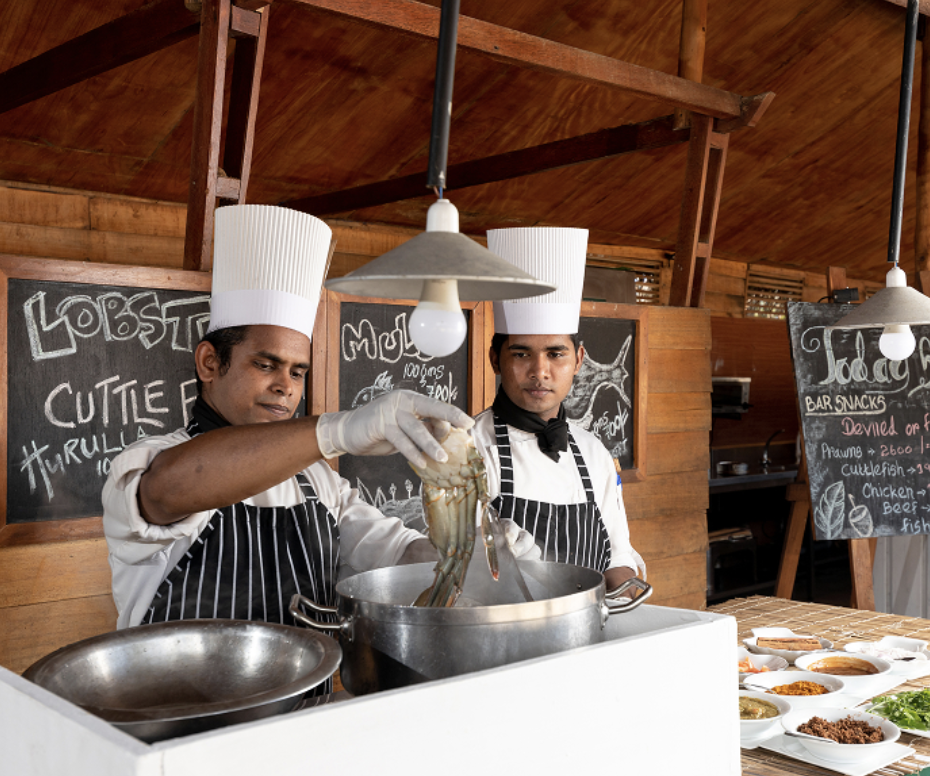
The clearest way to actually understand any of this is to cook it, which is exactly what Maalu Maalu’s cooking demonstration is built around. Over roughly ninety minutes, guests join the resort’s chefs in the kitchen to prepare freshly caught seafood, fish, prawns, crab, and cuttlefish, sourced directly from local fishermen, learning the techniques behind it rather than just eating the result. A Sri Lankan lunch follows the session, and guests who’d like to can also ask to meet the fishermen who caught what’s on the stove that day. It needs booking in advance, and turns a curry that would otherwise just be a menu item into something you actually understand the shape of.
Where to Taste It Around the Resort
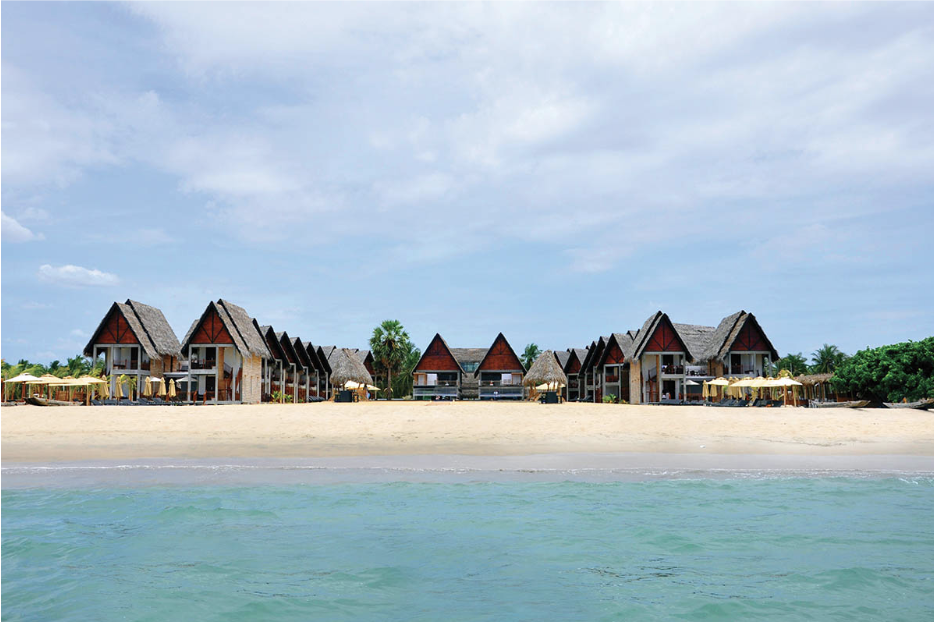
Karadiya, the resort’s main restaurant, sets aside its own dedicated Batticaloa corner specifically for regional flavours, worth seeking out deliberately rather than defaulting to the wider international buffet spread. At White Sands, the seafood market concept lets guests choose their own catch and have it prepared to order, a more hands-on version of the same lagoon-to-plate idea behind the cooking class. Between the two, and the rest of the Pasikuda restaurants at Maalu Maalu, there’s very little reason to leave this stretch of coast without actually tasting what makes it different.
Taste the Difference for Yourself
East coast fish curry doesn’t need explaining once you’ve actually had it, tamarind and dried chilli instead of coconut milk, lagoon seafood instead of sea-caught, a spice profile built for this coast rather than borrowed from anywhere else. If you’d like to learn to cook it rather than just order it, take a look at our accommodation, check our current offers, or contact us to book a spot in the kitchen.
Blog
Related Articles