

A Yala safari experience is frequently described as one of the most memorable wildlife encounters in Sri Lanka.
Yet beyond the images of leopards and elephants, many travellers arrive with quiet questions. What does a safari day really feel like? How early does it begin? Will the park be crowded? And what happens once the jeep ride ends?
If you are planning a safari in southern Sri Lanka, understanding the rhythm of the day helps you prepare properly and enjoy it more fully. Here’s what you can expect:
Where Does Your Yala Safari Experience Truly Begin?
Although the safari takes place inside Yala National Park, the experience begins long before you reach the park gate.
It begins with where you choose to stay.
Most safaris start before sunrise. You wake in darkness, often leaving your hotel while the sky is still dim. There is a short drive to the park entrance. By the time the gates open around 6.00 am, you are already on the move.
Staying near Yala National Park reduces travel time and allows you to enter early, when wildlife activity is higher. Resting in a peaceful rural setting also helps you relax properly before and after long hours in an open jeep.
When choosing among hotels in Yala or hotels in Tissamaharama, consider:
- Distance to the park entrance
- Whether early breakfasts or packed meals are available
- Access to experienced safari drivers
- A calm environment away from busy roadside hubs
A Yala safari experience is not only about what you see inside the park. It is also about how prepared and rested you feel before you enter it. That’s why choosing one of the best hotels in Yala as your base is important.
Entering Yala: What the Safari Drive Feels Like
The drive from Tissamaharama to Yala takes around 30 to 40 minutes, depending on the entrance gate used.
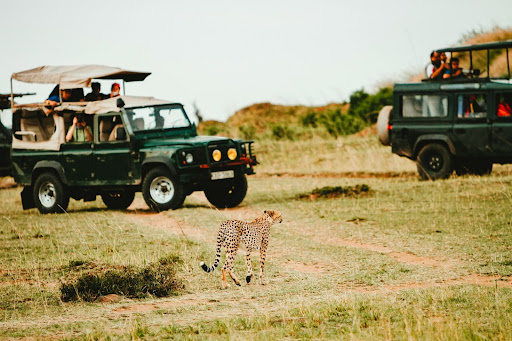
Your safari vehicle will be an open-top or soft-top 4×4 jeep, driven by someone familiar with the terrain. Most drivers stay connected by radio, sharing information about wildlife sightings while maintaining park rules.
A typical Yala safari experience lasts about 3 to 4 hours. You can choose:
- Morning safari (around 5.00 am – 9.00 am)
- Afternoon safari (around 2.30 pm – 6.00 pm)
Morning drives are cooler and give better chances of seeing animals before the heat builds. Afternoon drives bring warm golden light, perfect for photography.
The roads can be dusty, and the ride can be bumpy. Yet that rawness is part of what makes a safari in Sri Lanka feel real.
Wildlife You May Encounter in Yala National Park
Yala is best known for its leopards. In fact, it has one of the highest leopard densities in the world.
However, wildlife sightings are never guaranteed and that unpredictability is part of the authenticity of a Yala safari experience.
You may see:
- Leopards resting on rocks or moving through scrubland
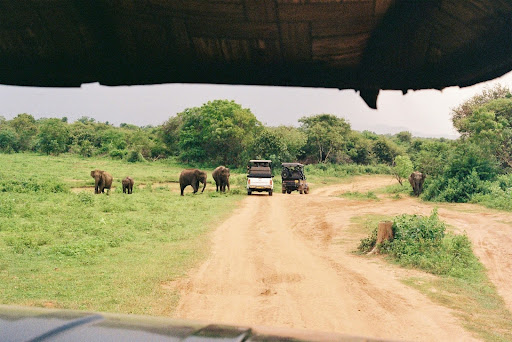
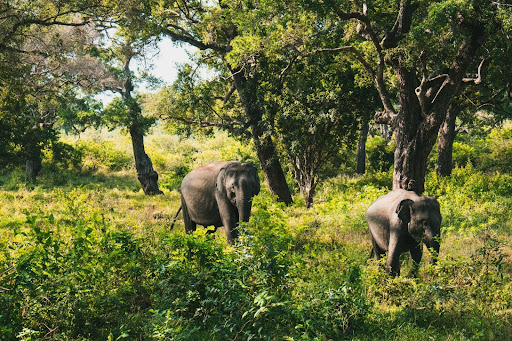
- Elephants crossing dusty roads
- Sloth bears (seasonal, especially during fruiting periods)
- Crocodiles near water bodies
- Peacocks, painted storks, hornbills and many migratory birds
Even without a leopard sighting, the park itself feels wild and open. The mix of dry forest, lagoons, grasslands, and coastal edges creates constant movement, ensuring that there is always something to observe.
If you enjoy birdwatching, Yala and the surrounding Tissa wetlands are particularly rewarding. Birds are usually spotted both inside the park and around nearby lakes. You may even encounter a few species on resort grounds in Tissamaharama.
For a closer look at the park’s wider biodiversity, you can read our detailed guide to wildlife experiences in Yala National Park beyond leopards.
The Reality of Crowds, and How to Manage Expectations
Yala’s popularity means certain sections, especially Block 1, can become busy during peak seasons (that is, February to July and December).
You may see several jeeps gathering here when a leopard is spotted.
The key is perspective.
A respectful and patient driver makes a noticeable difference. Good operators keep a distance, avoid blocking animals, and move on when needed.
If you prefer a quieter setting, you can even ask about visiting less crowded blocks when available.
In fact, planning with clear expectations helps ensure your Yala safari experience remains enjoyable rather than frustrating.
Your Base at Yala Matters
After several hours inside the park, the return drive feels quieter. Dust settles on your clothes. Conversations shift from searching to reflecting.
This is where your base matters.
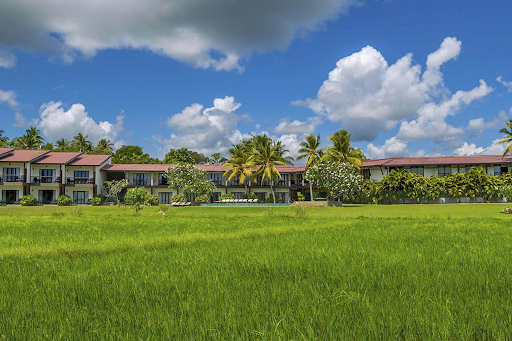
Kithala Resort is located in Tissamaharama, surrounded by open paddy fields and small lakes, where the setting feels distinctly rural rather than touristic. After a long day in Yala National Park, you return to rooms with wide countryside views, where the evening light reflects on the water and the bird calls carry across the air. The open space, gentle breeze, and quiet surroundings here help you to properly rest between safari drives.
Our hotel facilities in Yala are also designed to support this balance:
- An outdoor swimming pool to cool off after the heat of the park
- Garden spaces for a relaxed evening
- Comfortable communal areas to unwind at your own pace
The dining experience at Kithala is equally thoughtful. After an early start, you can enjoy relaxed meals inspired by Sri Lankan flavours in an unhurried setting.
These carefully considered amenities make a difference. Safari mornings can be exciting and physically demanding. Returning to a calm, comfortable base ensures your Yala safari experience feels complete and not rushed.
Beyond safari hours, Kithala’s location offers easy access to Tissa Lake, nearby village life, and bird-rich wetlands, giving you more things to do in Tissamaharama while keeping the pace calm and relaxed.
Because where you stay affects how you remember the journey.
Best Time to Visit Yala National Park for Wildlife Sightings
Yala National Park is open most of the year, except for brief seasonal closures.
- February to July: Drier conditions, higher chance of spotting leopards as animals gather near water.
- August to October: Hotter, but still worth a visit for the wildlife.
- November to January: Greener landscapes after rains can make wildlife slightly harder to spot, but the scenery is beautiful.
Morning safaris are generally recommended for first-time visitors, and we suggest booking in advance during peak travel periods.
Is a Yala Safari Right for You?

A Yala safari experience suits travellers who:
- Enjoy wildlife in natural conditions
- Understand that sightings depend on nature
- Appreciate early mornings
- Prefer combining adventure with comfort
Families with older children find safaris particularly meaningful. Watching elephants in the wild or spotting birds together creates shared memories that last well beyond the trip. If you are a couple looking for a mix of soft adventure and quiet evenings, you’ll also appreciate the balance here.
But, Yala may not suit those expecting guaranteed sightings or a zoo-like environment.
Remember, the real beauty lies in taking your time. Sometimes the most memorable moment is not the leopard itself, but the stillness of the forest while waiting, the sound of wind through dry leaves, or a distant call breaking the silence.
Plan Your Yala Safari Experience from a Peaceful Countryside Setting
A safari is only one part of the story.
Where you stay, how you prepare, and how much time you allow all shape the experience.
At Kithala Resort, mornings begin quietly in the countryside before you head into Yala National Park, and evenings settle into rural calm. Our team can assist in arranging your Yala safari experience with trusted operators and guide you on the best timing for your visit.
If you are planning a safari in southern Sri Lanka, consider staying two or three nights to enjoy the park without rushing.
To plan your stay or arrange your safari directly, contact our team at Kithala Resort. We will be happy to assist you in preparing for a rewarding and well-paced Yala safari experience.
Blog
Related Articles