

Many travellers looking into Ayurveda come across Panchakarma early in their research. It is widely described as a detox treatment, but that description does not fully explain what actually happens during the process.
In Sri Lanka, Ayurveda has been practised for generations as a complete system of healing. Panchakarma is one of its most recognised methods, carried out as a structured, doctor-guided programme rather than a set of individual sessions.
For anyone considering a wellness stay, understanding what is included in a Panchakarma treatment in Sri Lanka helps set realistic expectations before committing to the process.
What Is Panchakarma in Ayurveda
Panchakarma is a traditional Ayurvedic cleansing programme designed to restore balance in the body.
It is not a spa treatment. It is a medically guided approach that works in stages to address the imbalances built up over time.
The focus is on removing toxins from the body, supporting digestion and metabolism, and restoring long-term balance.
Unlike short wellness breaks, Panchakarma usually takes 7 to 21 days, allowing the body to adjust gradually.
To understand this better, it helps to look at how the entire Ayurvedic system works, including how the body is assessed and treated over time.
Step-by-Step Guide to Panchakarma Treatment in Sri Lanka
A full Panchakarma programme follows a clear sequence. Each stage supports the next, making the process gradual and effective.
1. Ayurvedic Doctor Consultation and Diagnosis
Every Panchakarma treatment in Sri Lanka begins with a detailed consultation.
The doctor assesses:
- Body type (dosha)
- Digestion and sleep patterns
- Medical history
- Current imbalances
Based on this, a personalised treatment plan is created.
This is why no two Panchakarma programmes are the same.
2. Preparation Phase (Poorva Karma)
Before the main cleansing begins, the body is prepared.
This stage helps loosen toxins and bring them into circulation so they can be removed safely.
It involves two key processes:
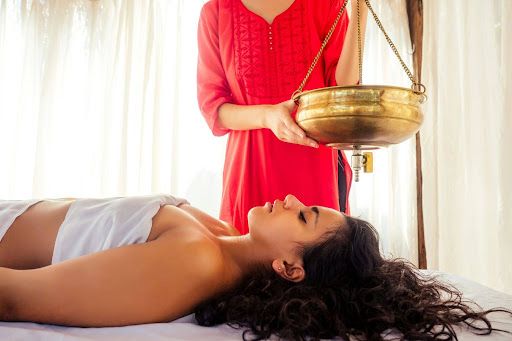
- Snehan (oleation): The use of medicated oils, applied internally or externally, to soften tissues and mobilise toxins
- Swedan (fomentation): Controlled heat or steam therapy that helps open channels and support the movement of impurities
These processes work together to prepare the body for deeper cleansing. Without this stage, the main therapies that follow would not be as effective.
3. Main Panchakarma Cleansing Therapies (Pradhan Karma)
This is the core stage of Panchakarma. Treatments are selected based on your diagnosis and carried out under medical supervision.
Common therapies include:
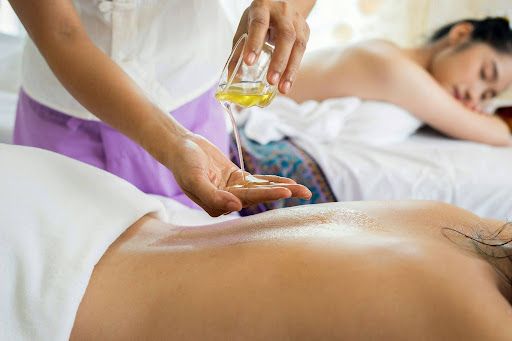
- Abhyanga (therapeutic oil massage): Supports circulation and toxin release
- Swedana (herbal steam): Helps the body eliminate impurities
- Virechana (purgation therapy): Cleanses the digestive system
- Basti (medicated enemas): Works on deeper internal balance
- Nasya (nasal therapy): Clears the head and sinus pathways
Each therapy follows a planned sequence, supporting gradual cleansing rather than quick results.
4. Recovery and Rejuvenation (Paschat Karma)
After cleansing, the body needs time to stabilise.
This stage focuses on rebuilding strength.
It may include:
- Restorative therapies
- Herbal tonics
- Gentle routines
At this point, many people notice improved digestion, clearer thinking, and better sleep.
What Does a Typical Day in Panchakarma Look Like?
A Panchakarma routine is calm and structured.
Here is a simplified daily flow:
Morning
- Herbal drink or tea
- Main treatments (when the body is most responsive)
Afternoon
- Light meals
- Rest or additional therapies
Evening
- Simple dinner
- Early rest
The pace is slower than a typical holiday in Sri Lanka. This helps your body to respond without stress.
Diet and Lifestyle During the Panchakarma Treatment
Food plays a central role in Panchakarma. Meals are designed to support digestion and cleansing, with plans adjusted based on your body type and current energy levels.
You can expect:
- Freshly cooked dishes based on Ayurvedic principles
- Mild spices and balanced flavours
- Consistent meal times
Lifestyle adjustments are also equally important:
- Limited screen time
- No alcohol or caffeine
- Gentle daily movement
These changes help maintain the results after the programme ends.
What to Expect During the Process
Panchakarma is not always a relaxing stay in the conventional sense. In fact, the body goes through different stages as it adjusts.
In the early days, you may feel slower or slightly tired as the process begins.
However, as treatments progress:
- The body begins to feel lighter
- Energy levels improve
- Mental clarity increases
Results build gradually rather than instantly.
Understanding this beforehand helps you approach the process with the right mindset.
Panchakarma vs Short Wellness Treatments in Sri Lanka
Not all Ayurveda-based stays follow the same approach. Some focus on relaxation, while others are designed as structured health programmes.
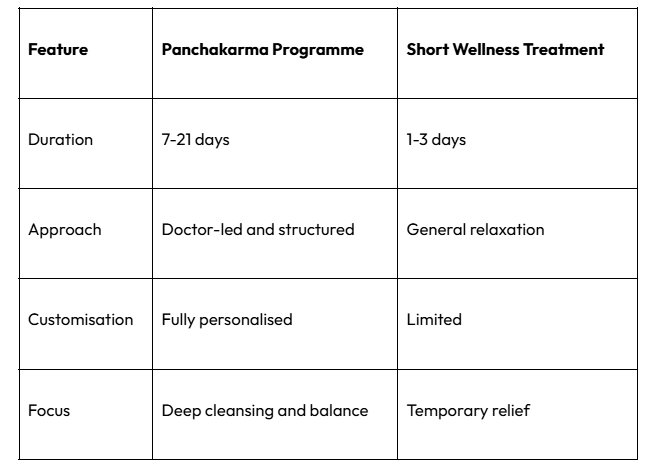
This difference is important when deciding what type of wellness stay you want.
Who Is Panchakarma Suitable For?
Panchakarma is best suited for travellers who are looking for:
- A structured detox rather than a short relaxation break
- Long-stay wellness programmes with medical guidance
- A gradual reset of digestion, energy, and overall balance
It may not suit those looking for a quick or highly flexible holiday experience.
Experiencing Panchakarma at an Ayurveda Resort in Sri Lanka
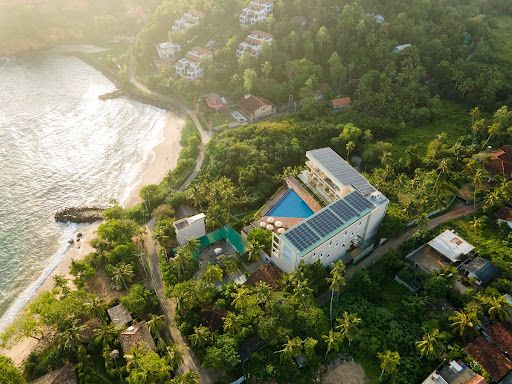
Choosing the right setting is important, as Panchakarma follows a structured routine that requires consistency and medical supervision.
At Ayurvie Weligama, the programme is supported through a clearly planned daily schedule rather than standalone sessions.
During your stay, key inclusions help maintain that structure:
- Regular consultations with Ayurvedic doctors throughout the programme
- Daily yoga and meditation sessions at sunrise and sunset
- Around two hours of treatments, scheduled each day
- Prescribed herbal preparations provided as part of the plan
Meals at Ayurvie are prepared based on your individual body type, with each plan tailored to your needs using locally sourced ingredients and herbal drinks to support balance.
This form of Ayurvedic accommodation in Weligama also benefits from its coastal setting. The calm surroundings, ocean air, and quiet routine support recovery between therapies and help the body settle naturally.
For travellers looking for an Ayurveda resort in Sri Lanka, this type of environment ensures the programme remains consistent from start to finish.
Practical Tips Before You Plan Your Stay
A few considerations can help you prepare better:
- Duration matters: Short stays may introduce you to Ayurveda, but Panchakarma works best over 7-21 days
- Travel timing: Arriving a day early helps your body to adjust before starting treatments
- Mental readiness: Entering with realistic expectations helps you stay committed to the process
- Post-treatment care: Following dietary and lifestyle advice after leaving is key to maintaining results
Planning your wellness stay with these in mind ensures the experience feels complete rather than rushed.
Plan Your Panchakarma Stay in Weligama
Panchakarma is a step-by-step process that includes consultation, preparation, cleansing, and recovery. Each stage works together to restore balance gradually over time.
Understanding what is included in a Panchakarma treatment helps you approach the programme with clarity and realistic expectations.
For those considering this wellness journey, staying at Ayurvie Weligama provides a setting where the full process can be followed with medical guidance, structure, and the calm of Sri Lanka’s southern coast.
Blog
Related Articles