

Stress today is rarely short-term.
It builds gradually through long work hours, irregular sleep, and constant mental activity that leaves little room for rest.
Over time, this can lead to disturbed sleep, low energy during the day, and a mind that continues to stay active even when you try to relax.
This is when people start searching for Ayurveda for stress and anxiety, especially when short breaks or quick solutions no longer feel effective.
Ayurveda approaches stress differently. Instead of focusing only on how you feel in the moment, it looks at how your body, mind, and daily habits are connected, and works to restore balance through a structured, natural process.
How Ayurveda Understands Stress and Anxiety
In Ayurveda, mental health is closely linked to physical balance.
Stress and anxiety are usually connected to an imbalance in Vata dosha, which governs the nervous system, movement in the body, and mental activity.
When this balance is disturbed, it can show up as restlessness, interrupted sleep, irregular digestion, and increased sensitivity to stress.
Ayurveda also recognises different patterns of stress:
- Vata-type stress feels rapid and unsettled, with racing thoughts and irregular routines
- Pitta-type stress appears more intense, often linked to irritability and internal pressure
- Kapha-type stress feels heavier, with low energy and emotional withdrawal
Understanding these patterns helps guide treatment.
This is why Ayurveda treatment for anxiety focuses on restoring balance across both the body and mind rather than treating symptoms in isolation.
Ayurveda Treatment for Stress and Anxiety: What to Expect
Ayurveda follows a structured method where each step supports the next. If you are new to this approach, it helps to understand how Ayurveda works before exploring how it is used to manage stress and anxiety.
1. Personal Diagnosis and Root Cause Identification
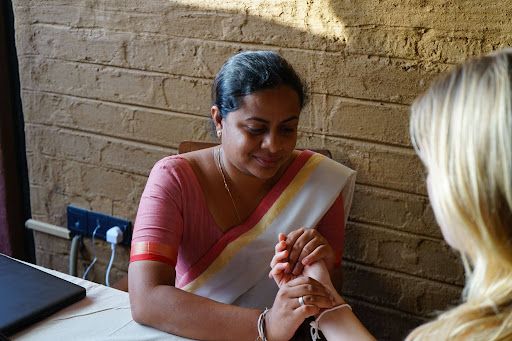
Treatment begins with a detailed consultation.
An Ayurvedic doctor assesses your:
- Body constitution
- Sleep patterns and energy levels
- Digestive strength
- Mental state and stress triggers
This helps identify the root cause of stress rather than just the symptoms. A personalised plan is then created and adjusted regularly based on how the body responds.
2. Daily Therapies to Calm the Nervous System
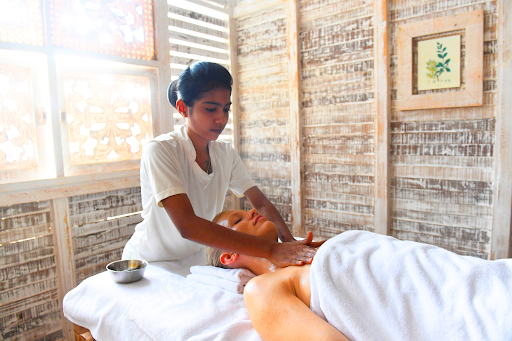
Treatments are carried out in a fixed sequence each day.
A typical session may include:
- Abhyanga (full-body oil therapy)
Warm medicated oils, often sesame-based, are applied using slow, rhythmic strokes across the body. This full-body oil massage helps reduce muscle tension, improve circulation, and create a calming effect on the nervous system. - Swedana (herbal steam therapy)
The body is exposed to gentle herbal steam inside a steam chamber. This Ayurvedic steam bath helps open the pores, supports detox, and allows the oils to absorb more effectively. - Shiro Abhyanga (head massage)
Medicated oil is applied to the scalp using controlled movements to release tightness in the head, neck, and shoulders. This is commonly used as an Ayurveda head massage for stress, helping ease mental fatigue.
These therapies work in sequence to prepare the body, address deeper tension, and allow it to rest.
3. Shirodhara Treatments for Mental Relaxation
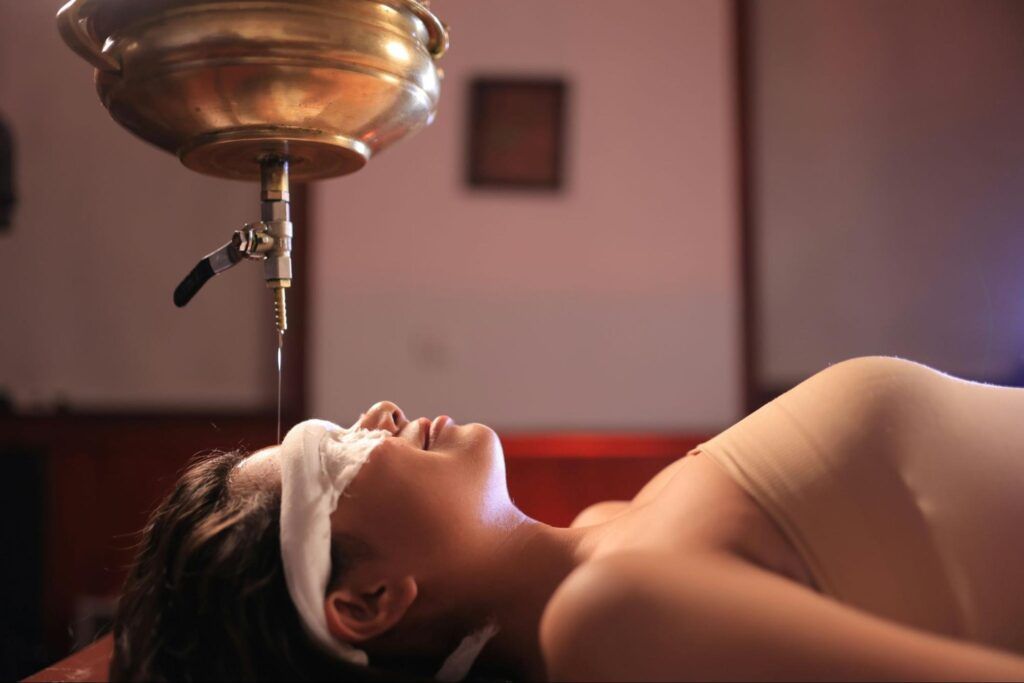
Shirodhara is one of the most focused therapies for anxiety.
A steady stream of warm herbal oil is poured across the forehead in a controlled flow while the body remains still in a quiet setting.
This helps:
- Slow down overactive thoughts
- Improve sleep quality
- Support better nervous system balance
With repeated sessions, the effect becomes more noticeable.
4. Panchakarma Treatments for Stress Relief and Burnout Recovery
For deeper healing, Ayurveda may include Panchakarma for stress relief.
This is a structured Ayurveda detox for stress and anxiety. It is carried out in stages, where each step helps reduce stress while restoring internal balance.
It may include:
- Virechana – cleansing therapy to clear the digestive system
- Nasya – herbal oils applied through the nasal passages to support head and sinus balance
- Vasti – internal cleansing therapy used to balance the system
These treatments are introduced only after the body is prepared and are guided by medical supervision.
They work on deeper imbalances linked to long-term fatigue, making Ayurveda for burnout recovery more effective over time.
5. Ayurvedic Food That Supports Mental Stability
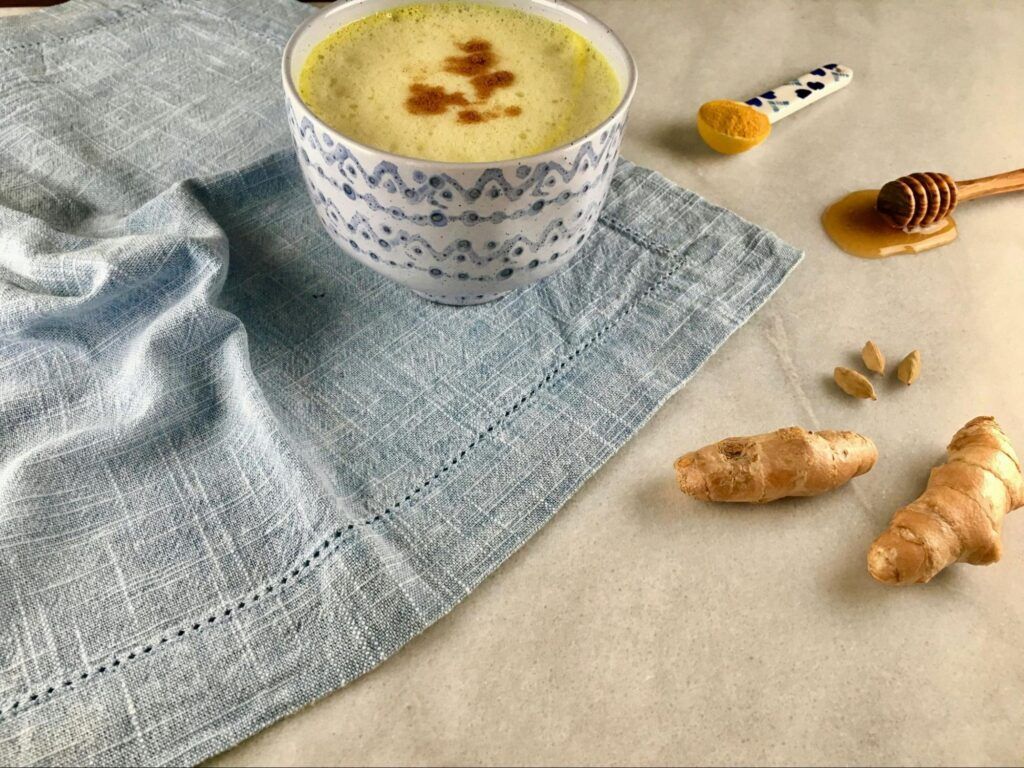
In Ayurveda, food is part of the treatment.
Meals are designed to be warm, simple, and easy to digest to support both physical and mental stability.
Common inclusions are:
- Kitchari (rice and mung dal): A light, nourishing meal that supports digestion
- Vegetable curries: Made with pumpkin, carrots, gourds, and leafy greens
- Mild spices: Such as cumin, coriander, fennel, and turmeric, to support digestion
- Herbal drinks: Including cumin water, coriander tea, or ginger infusions
Cold, processed, and heavy foods are avoided as they can affect digestion and mental clarity.
In Ayurveda, diet is also guided by your body type, so meals are adjusted to support your specific needs and internal balance, while being served at fixed times to help the body follow a steady rhythm.
6. Breath, Movement, and Meditation for Nervous System Balance
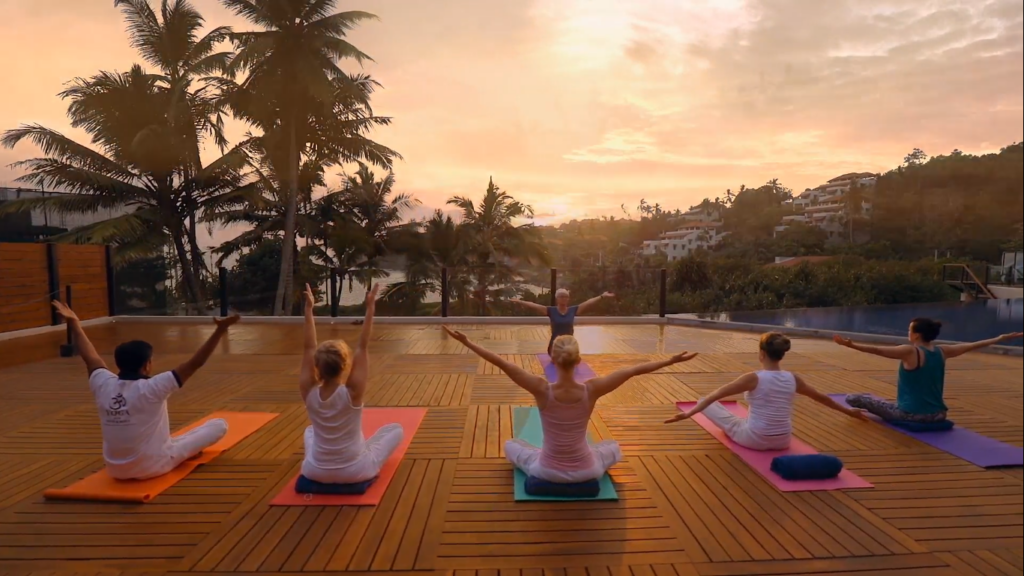
Alongside treatments and diet, Ayurveda uses breath, movement, and stillness to support recovery.
These practices are introduced in a simple, guided way, every day during your treatment:
- Yoga and gentle movement: To focus on slow, controlled postures such as spinal stretches, chest-opening positions, and grounding poses to ease physical tension and reduce restlessness
- Breathing practices (pranayama): Includes slow breathing, alternate nostril breathing, and longer exhalations to help calm mental activity and regulate the nervous system
- Meditation: It is practised in short, guided sessions, focusing on stillness and awareness of the breath to help the mind settle gradually
- Spending time in quiet outdoor spaces: This allows the senses to rest, reducing external stimulation and supporting mental clarity
Together, these elements help stabilise the nervous system and create a calmer, more balanced state of mind.
Where to Stay for Ayurveda Treatment for Stress and Anxiety in Sri Lanka
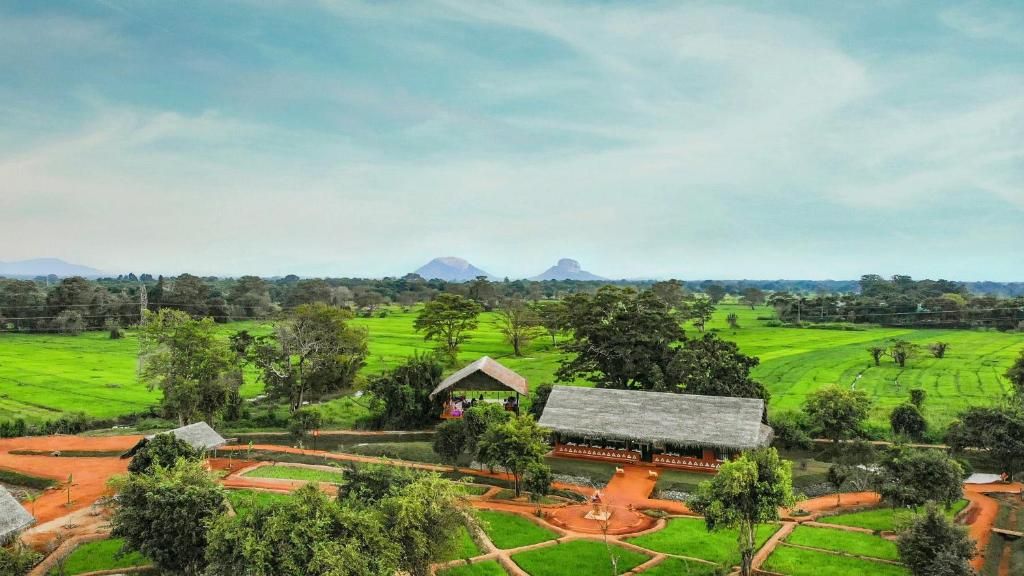
For travellers looking for an Ayurveda hotel in Sri Lanka, both the structure of treatment and the setting play a role.
At Ayurvie Sigiriya, stress and anxiety are addressed through doctor-led Ayurveda programmes designed around duration and individual need.
At Ayurvie, Programmes are Designed for Different Levels of Stress
Guests can choose between treatments designed specifically for stress or burnout:
- A 5-day retreat focused on relaxation and mental calm
- A 14-day programme that includes Panchakarma for deeper detox
Each stay includes:
- Regular doctor consultations
- Personalised treatment plans
- Around two hours of therapy each day
This Ayurveda hotel in Sigiriya builds the entire experience as one structured programme rather than separate treatments.
Therapies such as Shirodhara, oil treatments, and detox processes are combined with a personalised diet, daily yoga, breathing practices, and rest, all guided by Ayurvedic doctors and adjusted throughout the stay.
When Ayurveda May Help with Stress and Anxiety
Ayurveda may be useful if you are experiencing:
- Ongoing stress that does not improve with rest
- Sleep disturbances over a longer period
- Mental fatigue or early burnout
- Difficulty maintaining a stable routine
Short stays can help you slow down.
However, longer programmes support deeper restoration over time.
Explore a Natural Way to Manage Stress and Anxiety with Ayurveda
Stress and anxiety develop gradually through daily habits and internal imbalance.
Ayurveda works in the same way.
It uses structured care, guided routines, and time to restore stability.
For those exploring Ayurveda for stress and anxiety, Sri Lanka provides a setting where traditional knowledge and consistent practice come together.
At Ayurvie Sigiriya, this process is supported through medical guidance, daily structure, and a calm environment that allows both the body and mind to settle.
Blog
Related Articles